April 10, 2026
Coast to Countryside: Uruguay’s Must-Visit Wineries
Tucked between giants, Uruguay’s tiny but mighty wine scene doesn’t try to compete on scale. Instead, it focuses on character and craftsmanship. It’s understated, a bit off the radar, and all the better for it. Now, the world is starting to catch on. Uruguayan wines are gaining international recognition, boutique producers are stepping into the spotlight, and a new wave of wine tourism is taking shape.
Tannat, Uruguay’s signature grape, was brought from southwest France in the 19th century by Basque settlers. It found its true home in Uruguay, one of the first countries to successfully produce it as a single varietal. A robust red known for its intense tannins, it’s usually softened in blends. But today, Uruguayan winemakers are transforming it, resulting in an earthy, fruity red that is far more approachable than its French counterpart, without losing its depth or structure.
There are over 200 wineries in Uruguay, and the geography makes it easy to explore. Many wineries are small, family-run, and still slightly under the radar. Visits are personal, often hosted by the winemakers themselves, with time to sit and share generous pours and local food. At the same time, a new wave of wineries is redefining the experience. Boutique hotels, design-led lodges, and restaurants are being integrated into vineyards, creating spaces that go beyond tastings.
Here are some of our favourites...
Narbona Carmelo
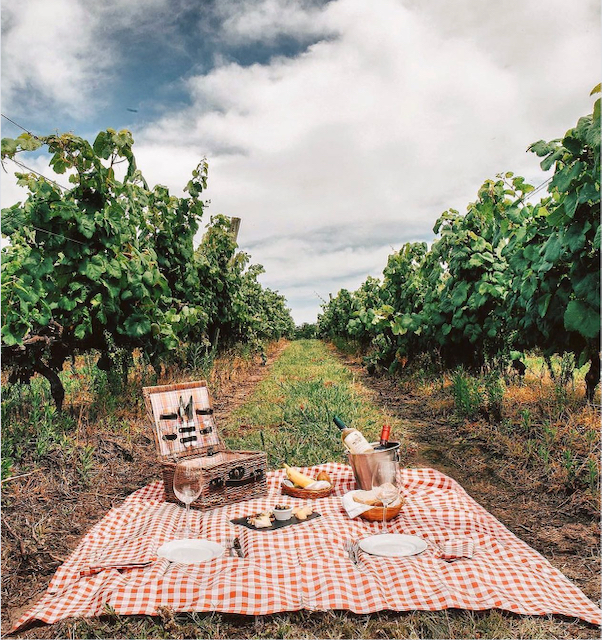
Just outside Carmelo, Narbona is one of Uruguay’s most iconic and historic wineries. The main house, built in 1909, still stands at the heart of the estate, surrounded by vines first planted over a century ago. The grounds are dotted with museum-like relics of a bygone era: vintage cars once used on the estate, old tractors, and remnants of its early winemaking days. The lodge itself is a nod to Narbona’s winemaking heritage, with each of its five rooms inspired by a different varietal. Tannat and Rosé are favourites, with four-poster beds and large windows looking out over the vineyards. Experiences go beyond tastings, with the chance to blend your own wine alongside the estate’s oenologist. Farm-to-table dining and private picnics among the vines round out the experience.
Beyond its standout Tannat, Narbona is equally known for its artisanal produce, made on-site at the winery's dairy farm. Think dulce de leche, cheeses, yogurts, preserves and ice cream, all made in-house. We always go straight for the Pinot Noir (it disappears fast, for good reason). The mushroom risotto is a constant hit, and the Morbier cheese is a must!
Bodega Cordano
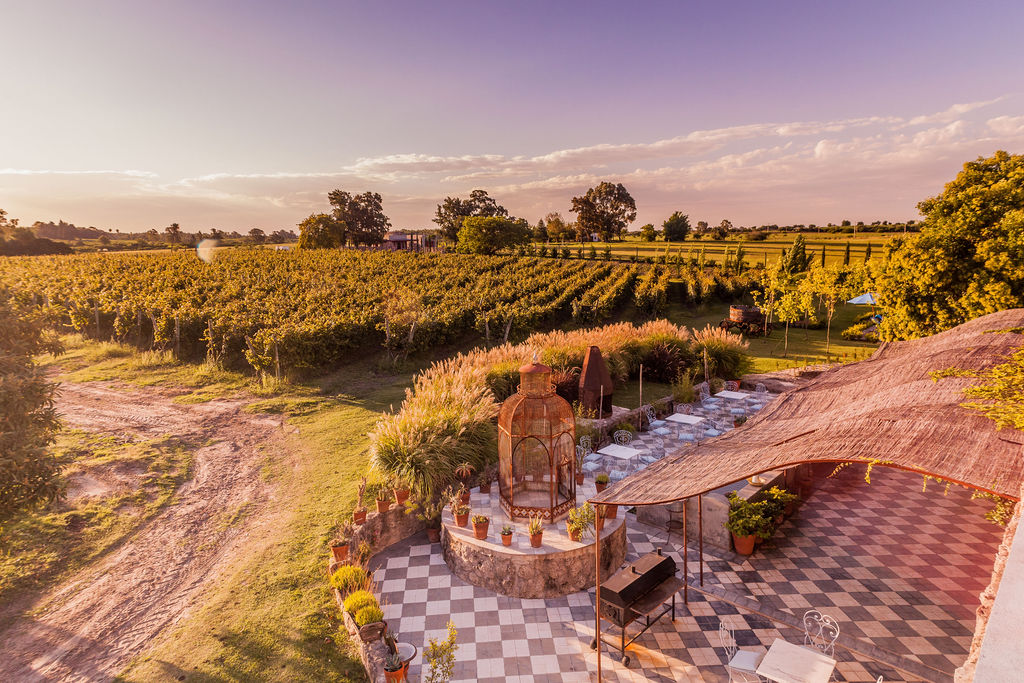
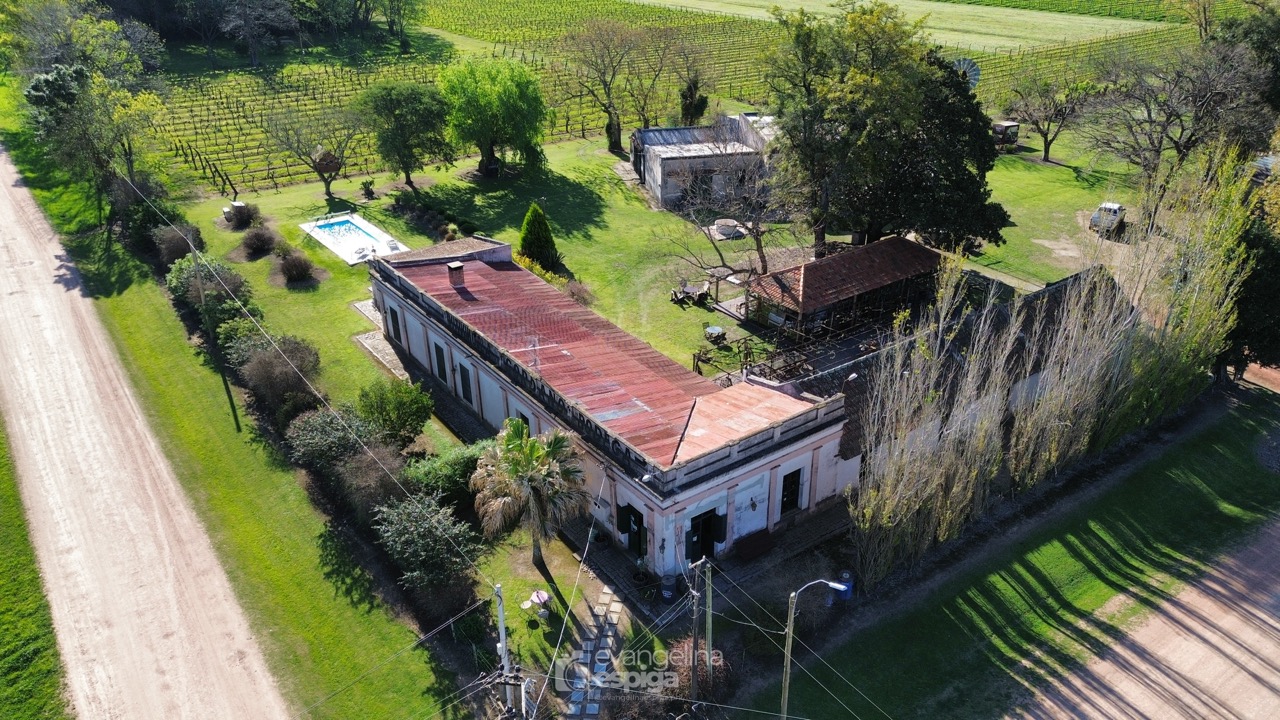
With roots dating back to 1855, this family-run winery traces its origins to Italian immigrant Ángel Cordano, who planted the first vines near Carmelo. Now in its fifth generation, it’s led by Ana Paula and Diego, truly lovely hosts and deeply passionate about what they do; they bring a personal touch to every visit. They continue to cultivate high-quality varietals, including Cabernet Sauvignon, Cabernet Franc, Tannat, Merlot, Syrah, Muscat of Hamburg, and our favourite, their Chardonnay. The experience is intimate and deeply personal with relaxed tastings, long, generous lunches, and the chance to stay among the vineyards.
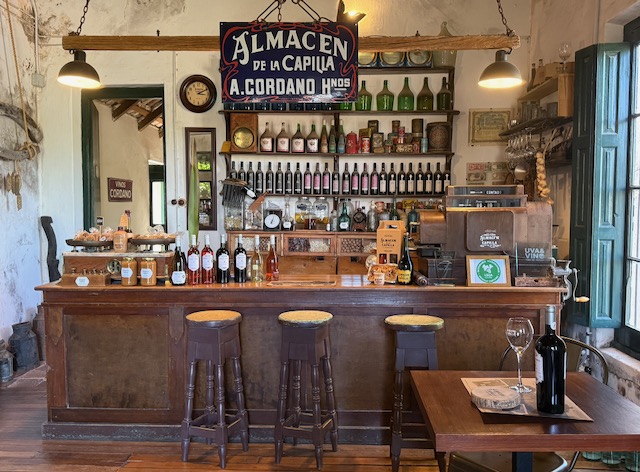
Don’t leave without stopping at Almacén de la Capilla, the family’s old general store, now a beautifully preserved space with original floors, ceilings, and early-20th-century objects. The house-made grappamiel is a standout, and the rest of the homemade selection is just as good. It is also where their limited-production wines are presented under the Almacén de la Capilla line (10,000 bottles annually, sold exclusively on-site) and the 5th Generation line, which pays tribute to the family’s history.
Bodega Legado
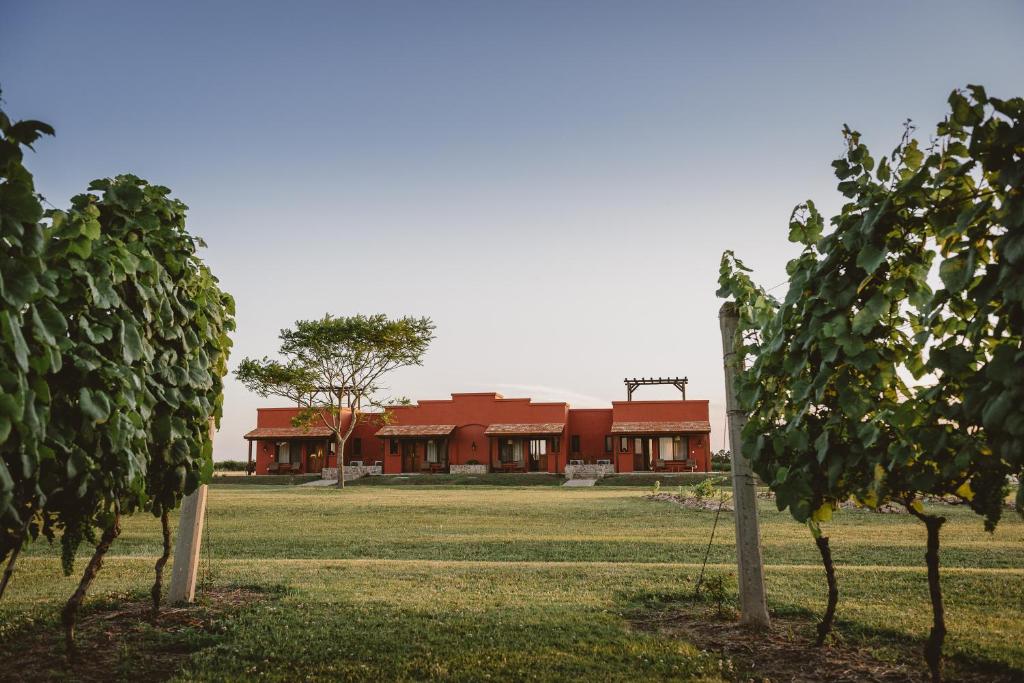
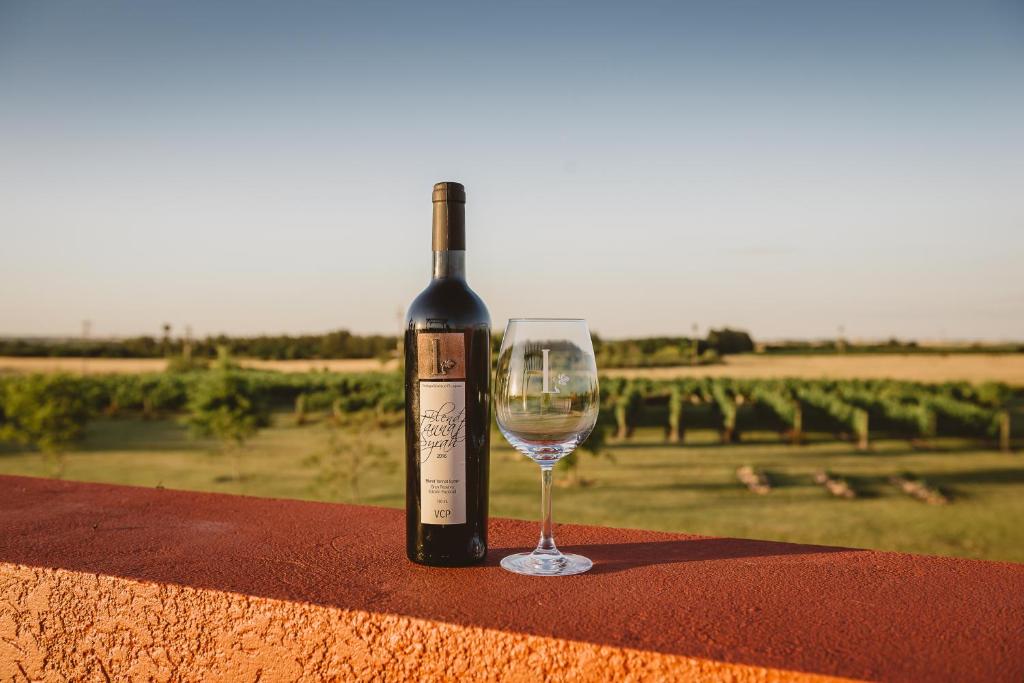
Bodega Legado is an artisanal project, just outside Carmelo, with less than a hectare of vines. The Syrah is a standout for us (one of the few single varietals in Uruguay), alongside a classic Tannat and a blend of the two.
Onsite is a small, intimate winery stay with just four beautifully designed rooms, each overlooking the vineyards. The property continues to evolve, with three new superior suites nearing completion, a design-led pool set among the vineyards, and the introduction of new white grape varieties, including Viognier, Albariño, and Marselan. Guests can walk the vineyards, taste the wines, and settle in for a long lunch or dinner at the restaurant, where everything is thoughtfully paired.
Bodega Spinoglio
North of Montevideo, this historic bodega dates back to 1898. Today, fourth-generation winemaker, Diego Spinoglio, leads the estate. Widely regarded as one of Uruguay’s top oenologists, his style is precise and modern, while staying true to the estate’s roots. The vineyard and cellar have been carefully restored, with original details still in place, from century-old French oak casks to a remarkable block of 120-year-old vines.
Thanks to a mild coastal climate and rich clay soils, the vineyards produce a diverse lineup including Sauvignon Blanc, Cabernet Franc, Cabernet Sauvignon, Tannat, Chardonnay, and Merlot. Standouts for us include the Gran Chardonnay con barrica and the full range of Tannats, which showcase the depth and versatility of Uruguay’s signature grape at its best.
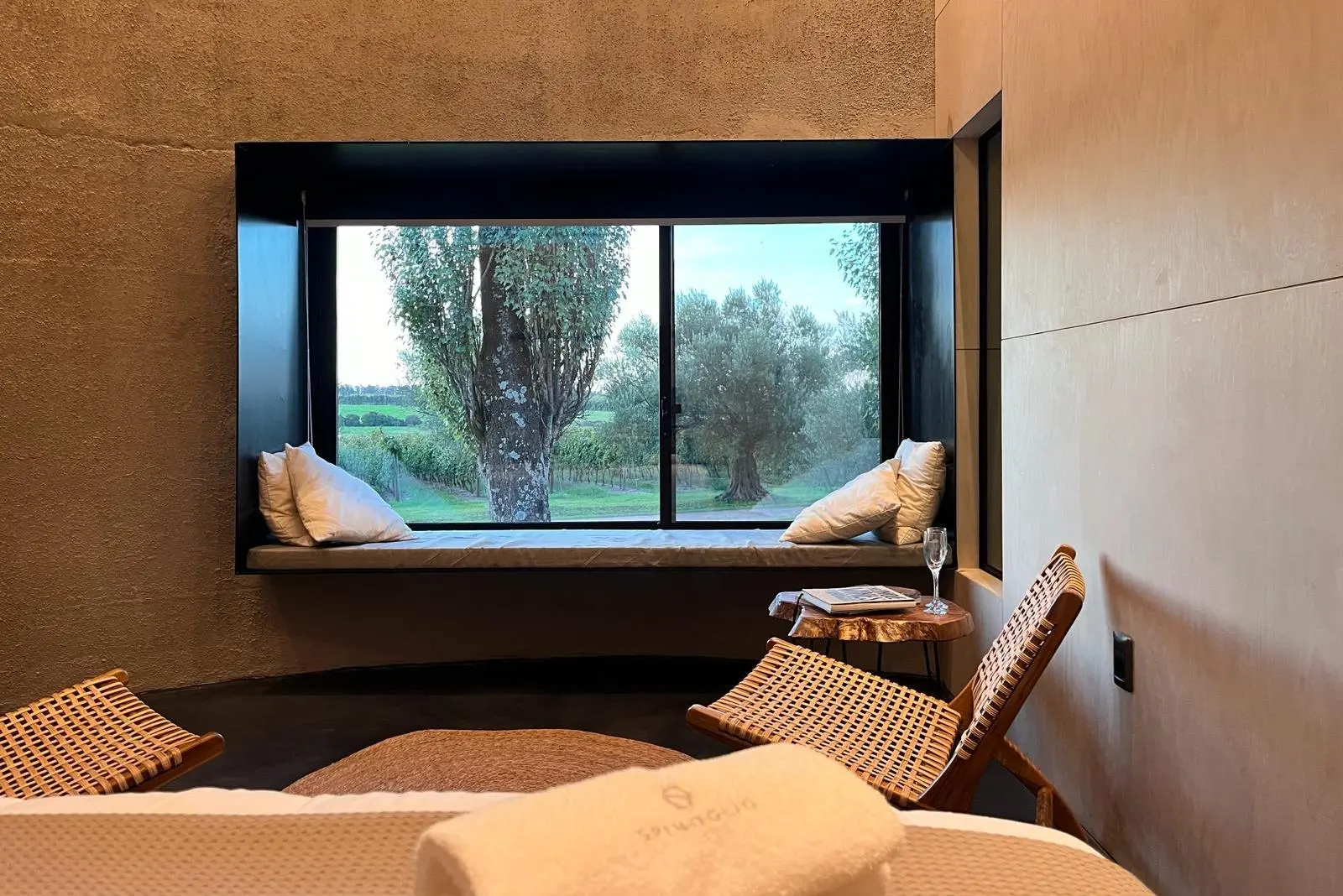
Pair your visit with a stay at the Vineyard Hotel, a unique property in the heart of the winery, where former 150,000-litre wine vats have been transformed into luxury accommodation designed to immerse guests in the essence of this wine region. Also not to be missed is a meal at Monfrá, the winery’s restaurant, where seasonal, locally sourced dishes are thoughtfully paired with its wines.
Bodega Bouza
Located just outside Montevideo, Bodega Bouza is one of Uruguay’s most celebrated wineries.
Built on precision, patience, and a deep respect for the land, the Bouza family has played a key role in elevating Uruguayan wine on the global stage and continues to earn consistent recognition internationally.
What sets Bouza apart is its unwavering commitment to small-scale, artisanal winemaking. Every step, from vineyard to glass, is carefully overseen to ensure the highest quality. Their portfolio is led by standout Tannats, alongside elegant whites like Chardonnay and Albariño. They were the first to plant Albariño in Uruguay, and it remains one of our go-tos. Another favourite is Montevideu, their emblematic blend of 50% Tannat, 25% Merlot, and 25% Tempranillo.
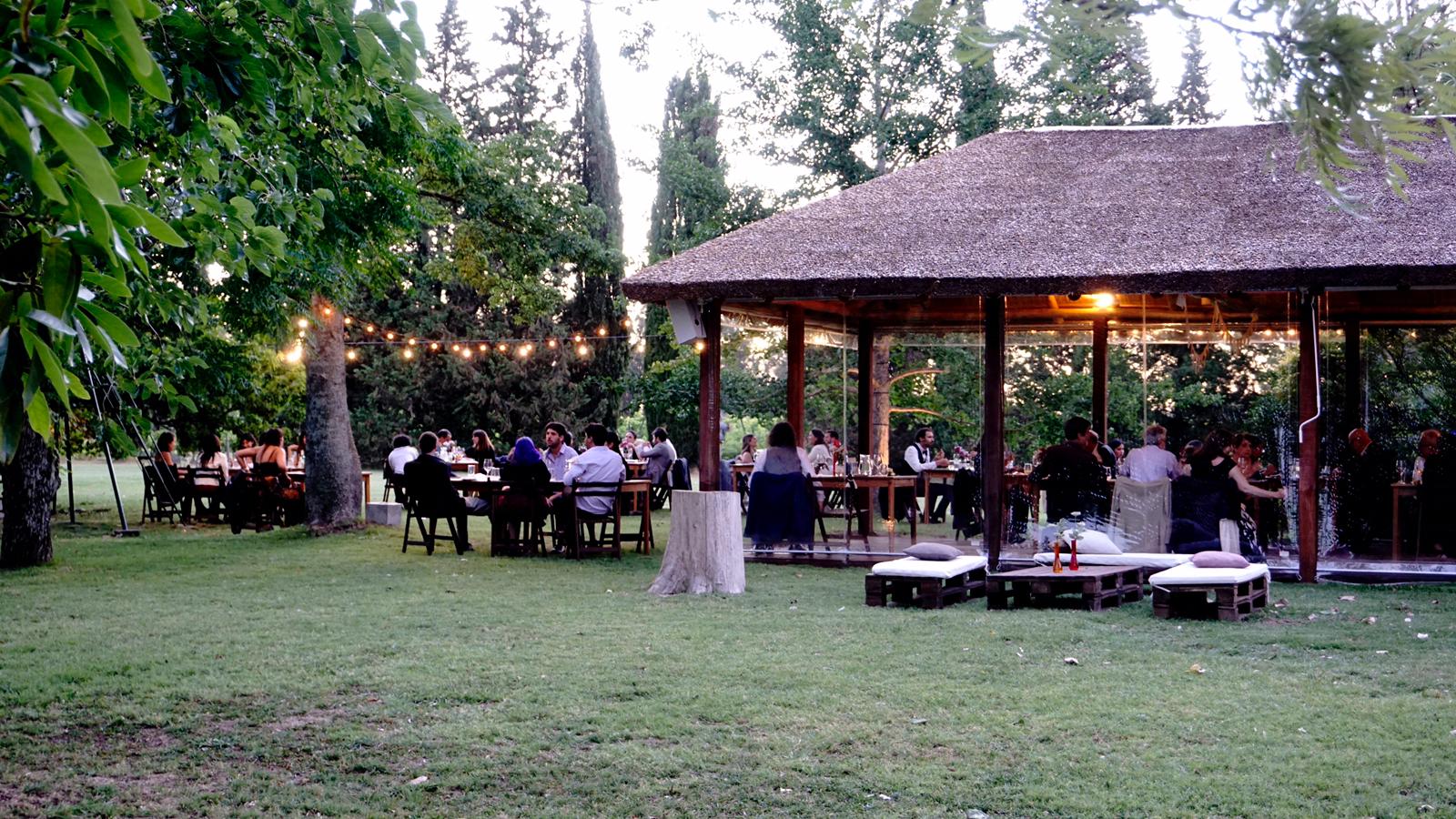
Visiting Bouza feels like stepping into a family home. The beautifully restored property is complete with antique tanks, historic cellars, and a collection of classic cars, while the restaurant focuses on high-quality ingredients, with a menu that blends Uruguayan and Spanish influences.
Bodega Garzón
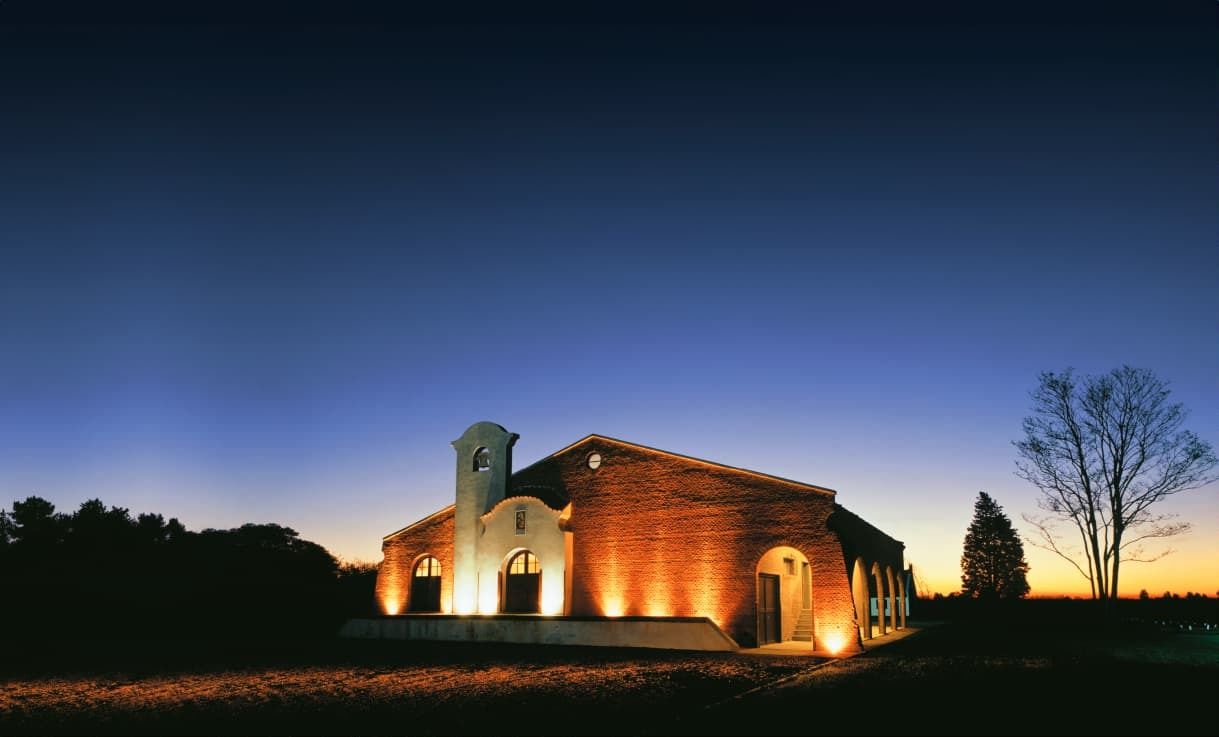
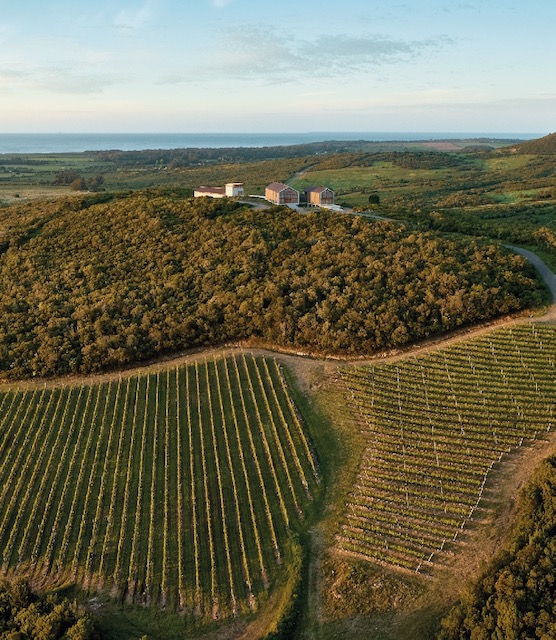
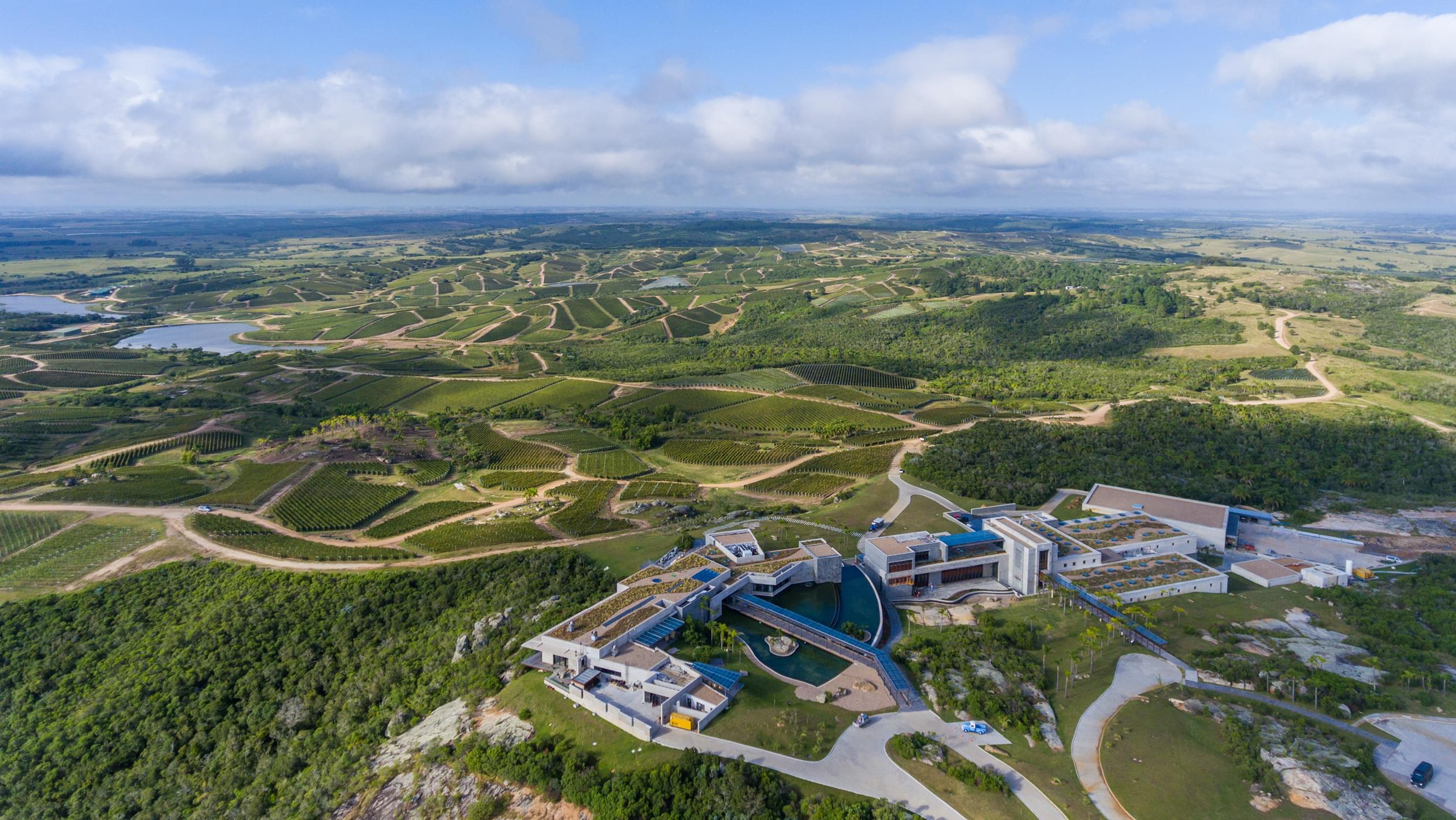
An architectural masterpiece, Bodega Garzón has quickly become one of Uruguay’s most internationally recognised wineries, driven by the vision of Argentine billionaire, Alejandro Bulgheroni.
Spanning over 205,000 square feet, the winery is a striking example of form meeting function. Built with sustainability at its core, it runs on renewable energy and holds LEED (Leadership in Energy & Environmental Design) certification, the first winery outside North America to do so. Everything is designed to work with the land, not against it: a gravity-flow system keeps winemaking low-intervention, while clean lines and open terraces frame the surrounding vineyards.
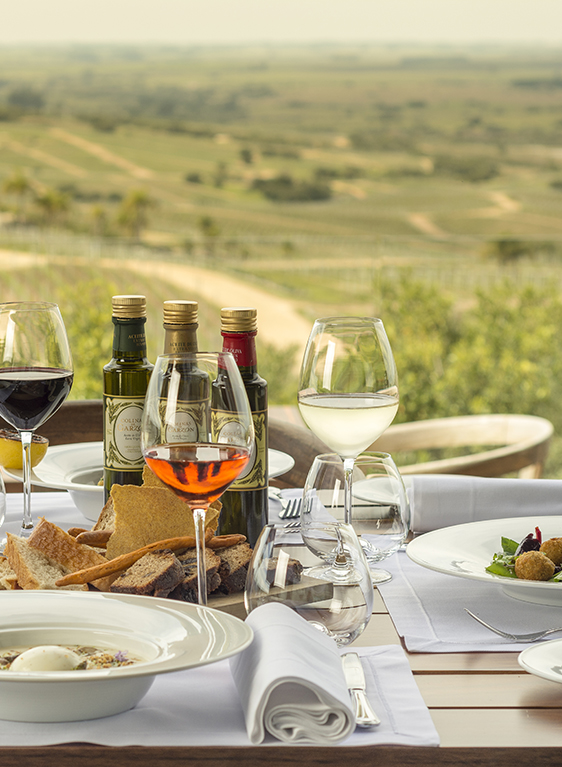
The bodega’s on-site restaurant, led by celebrated chef, Francis Mallmann, brings the region to life through open-fire cooking and seasonal, locally sourced ingredients. Thoughtfully designed experiences, including winery tours, private picnics, cooking classes and hiking, invite guests to slow down and immerse themselves in the landscape. For an elevated experience, an exclusive private visit is only available through us and best paired with a four-course lunch and premium wines.
Bodega Sierra Oriental
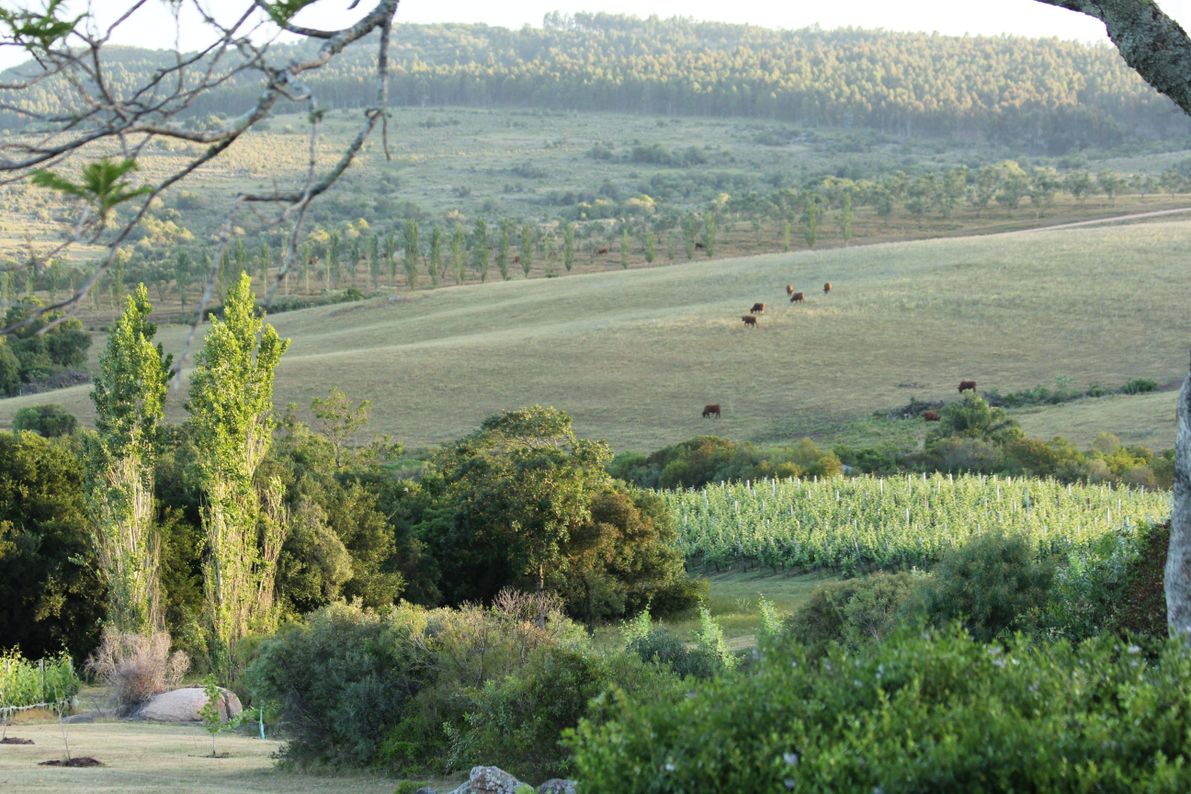
Set in the rolling sierras just inland from José Ignacio, Bodega La Oriental is a family project rooted in heritage, vision, and a deep connection to the land. Founded by the Diz family, whose winemaking traditions trace back to Galicia, Spain, the winery brings together generations of agricultural experience with a passion for creating something truly unique in Uruguay.
Established in the early 2000s, the vineyard sits in a privileged microclimate, where cooling ocean breezes and mineral-rich soils create ideal conditions for both vines and olive groves. Today, a carefully selected range of varietals, including Tannat, Cabernet Sauvignon, Petit Verdot, and Sangiovese, alongside fresh whites are grown and produced entirely on-site, with a focus on quality and minimal intervention.
We’re especially fond of the Pinot Grigio and the Tannat Reserva. And the hike here is not to be missed, winding through rocky landscapes at one of Uruguay’s highest points, the views are spectacular!
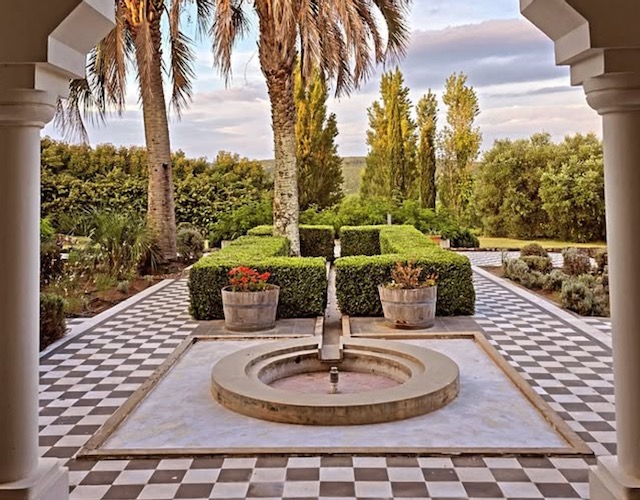
Bodega Las Garzas
Just a few kilometres from José Ignacio and close to the Atlantic, Bodega Las Garzas sits between the lagoons of Garzón and Rocha, a quiet, untouched part of Uruguay defined by water, wind, and wide-open landscapes. Founded by Pati Fernández and Jorge de León with their family, the project is focused on producing wines that reflect this distinctive coastal environment.
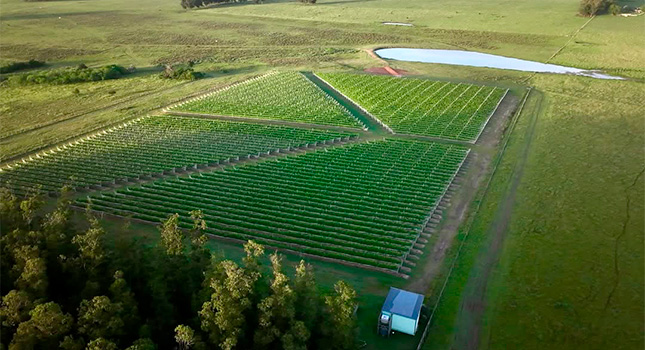
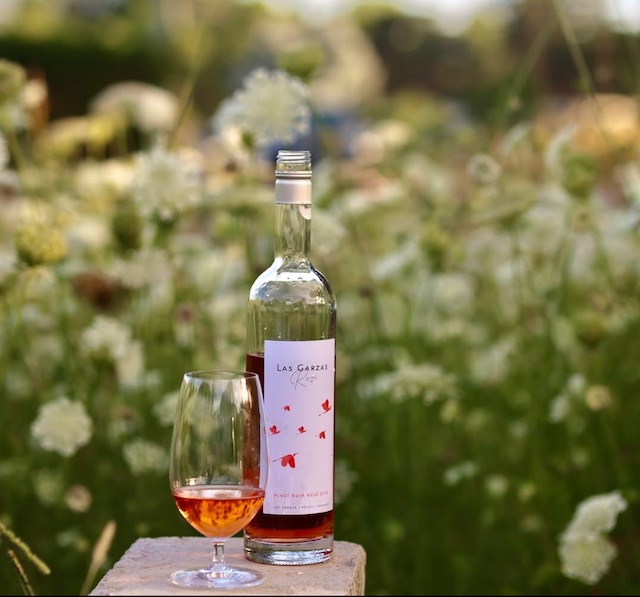
The small, four-hectare vineyard is dry-farmed, relying on ocean breezes and a light saline influence that gives the wines freshness and character. Varietals are kept focused, and production is small, with a hands-on approach from vine to bottle. The rosé is a standout, fresh, balanced, and perfect for the setting. The sommelier really knows their wines and adds a lot to the experience, guiding tastings with depth and insight.
Bodega Altos de la Ballena
Alto de la Ballena is a pioneering boutique winery set in the rugged Sierra de la Ballena, just 15 kilometres from the Atlantic coast and a short drive from Punta del Este and José Ignacio. Founded in the early 2000s by Paula Pivel and Álvaro Lorenzo, it was the first winery to establish itself in Uruguay’s eastern region, drawn by the area’s unique terroir where ocean influence, elevation, and mineral-rich soils come together to produce expressive, high-quality wines.
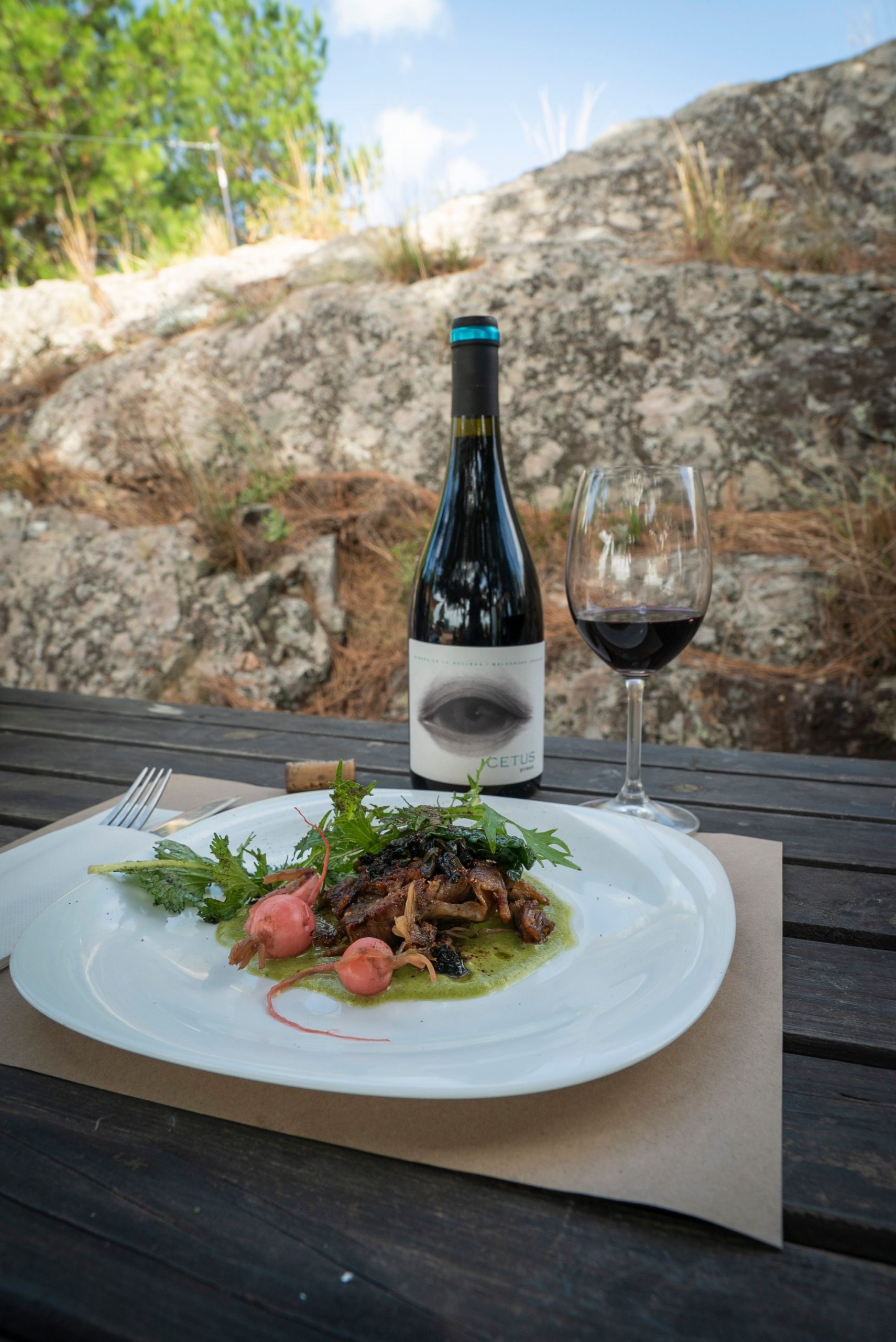
Today, the estate spans just over eight hectares, planted with carefully selected varietals including Merlot, Cabernet Franc, and Syrah. Our must-try is the unusual blend of Tannat and Viognier. Visitors can walk the vineyards, take in wide views of the surrounding sierras, and settle in for tastings and long, relaxed lunches.
Viña Eden
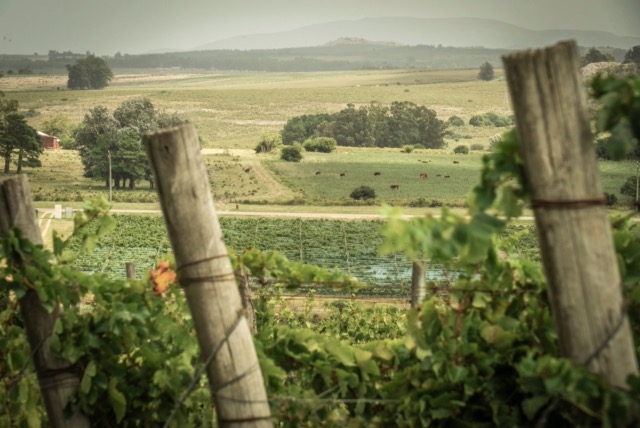
Set in the rolling hills of Pueblo Edén, just outside Punta del Este, Viña Edén is a boutique, family-run winery focused on producing premium wines and committed to sustainability. Founded by Brazilian entrepreneurs Mauricio and Rosane, the vision went beyond winemaking; they set out to create a space as welcoming and considered as the wines themselves, grounded in the idea that everything starts with origin.
Often referred to as the Tuscany of Uruguay, the region is defined by its rolling valleys, mineral-rich soils, and strong Atlantic influence, ideal conditions for producing fresh, expressive wines. Our go-to here? The sparkling.
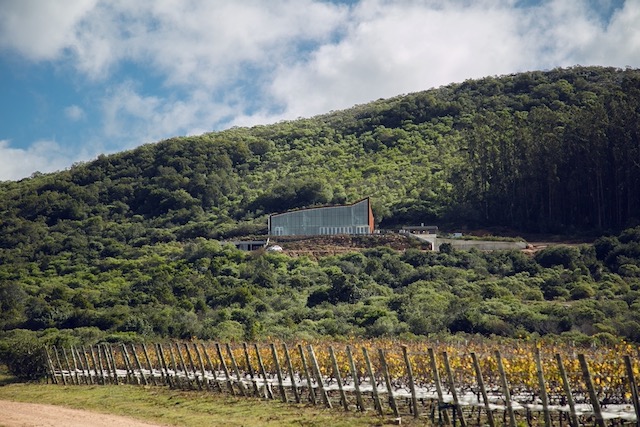
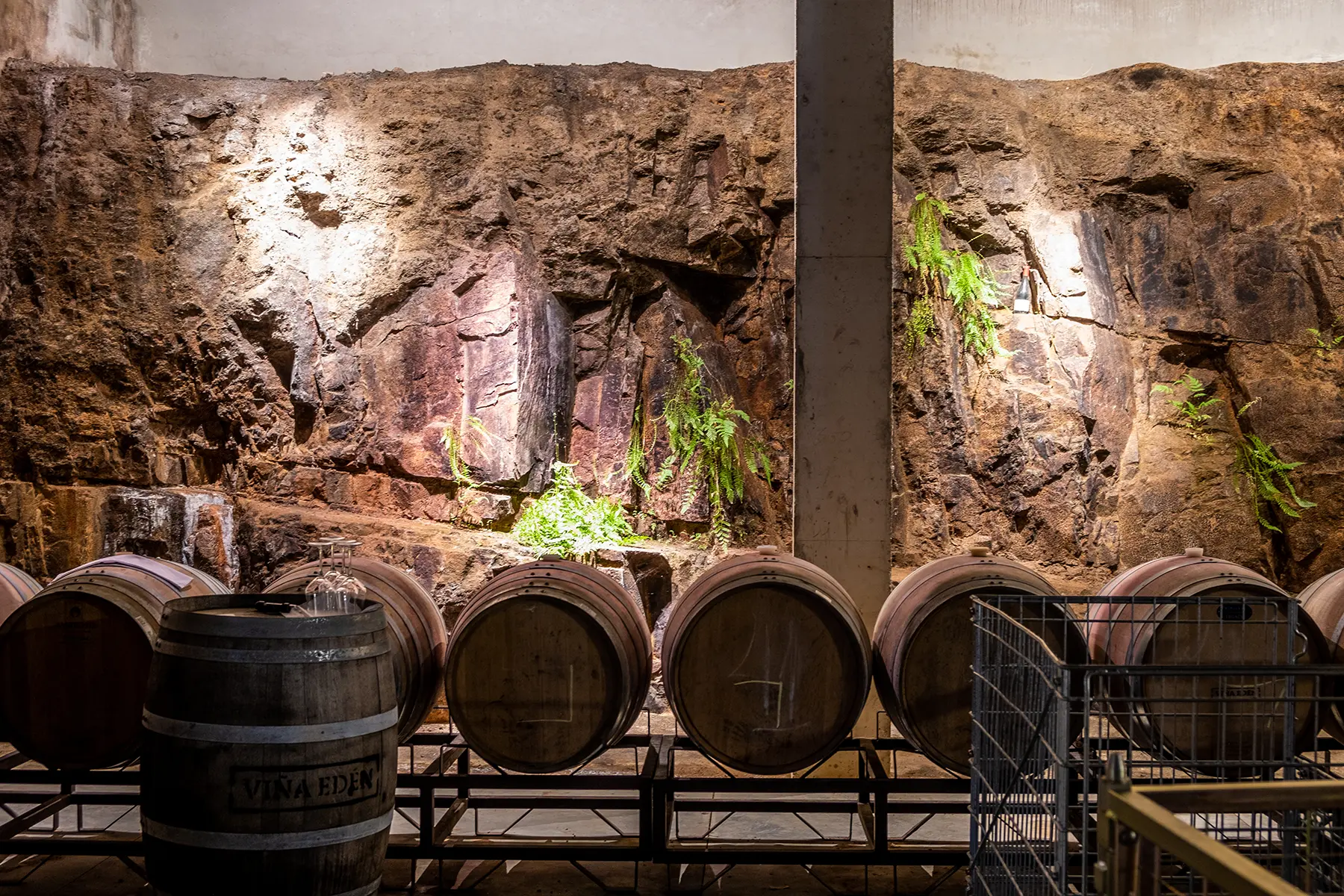
Guided by a philosophy of minimal intervention and respect for nature, the winery combines this terroir with modern, high-precision technology. Built into the hillside, the winery follows a gravity-flow design, keeping the process as natural as possible from grape to bottle. Sustainability is central, with renewable energy and low-impact practices woven into every stage.
The experience extends well beyond the cellar. The restaurant, with sweeping views over the sierras and vineyards, focuses on fresh, organic ingredients and local producers, alongside tastings and guided visits through the winery and vineyards.
Los Nadies Urban Winery
Los Nadies, “the nobodies”, is an urban micro-winery hidden in Montevideo’s Prado neighbourhood, where fourth-generation winemaker Manuel Filgueira produces small-batch, highly expressive wines from his own home. Trained in elite French châteaux, Manuel brings both precision and intuition to his craft, yet remains fiercely independent. If a harvest doesn’t meet his standards, he won’t hesitate to discard it entirely.
Tannat sits at the core of his work, what he calls Uruguay’s “king” grape. His wines, including the blend Equilibrio (Tannat and Merlot) and the limited Ímpetu (with Cabernet Franc), are crafted with minimal intervention: no irrigation, low sulphur, and long, patient aging. Production is small, shared among friends and a close international network, including a handful of Michelin-starred restaurants in Japan.
The experience is relaxed and personal, welcoming you in like an old friend. Visits often start in his front garden, mate in hand, surrounded by native plants that reflect Uruguay’s terroir, and unfold through stories of family and the vineyard. What truly makes this project special is a strong sense of family and community, where wine becomes a simple yet powerful way of bringing people together.