May 20, 2026
Into the Wild: 6 Incredible Wildlife Destinations in Chile & Argentina
A continent of immense natural diversity, South America is one of the world’s most extraordinary wildlife destinations. From vast wetlands and ancient forests to rugged coastlines and the dramatic landscapes of Patagonia, the continent is home to an incredible range of ecosystems that still feel truly wild.
But what makes South America so special goes beyond its biodiversity. Some of the continent’s most remarkable wildlife destinations are also places with powerful conservation stories behind them. Across Chile and Argentina, rewilding initiatives are restoring fragile ecosystems, protecting endangered species and creating meaningful opportunities for both local communities and visitors.
Here are six of our favourite wildlife destinations in Chile and Argentina, places where travellers can observe extraordinary species in their natural environments while gaining a deeper understanding of the landscapes, cultures, and conservation efforts that sustain them.
1. Iberá Wetlands
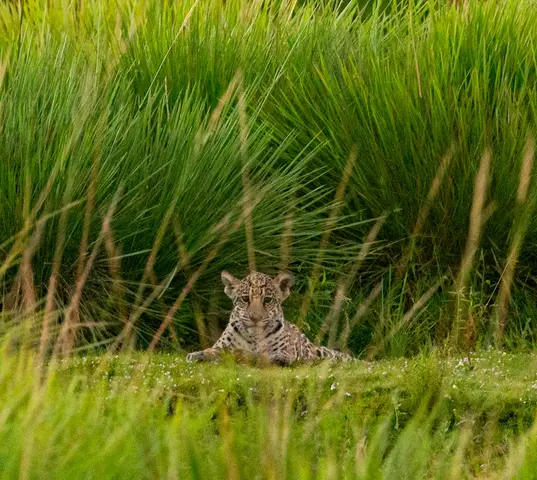
This remote corner of northern Argentina supports one of the richest ecosystems in the country, home to more than 4,000 plant and animal species and nearly 30% of Argentina’s biodiversity.
But it wasn’t always this way.
Not long ago, Iberá was a forgotten landscape. Decades of cattle ranching, commercial forestry, and illegal hunting had stripped the ecosystem of its balance. Things began to change in the 1990s, when Doug Tompkins and Kristine Tompkins started acquiring land in the region with the aim of protecting it. Through the work of Tompkins Conservation and Rewilding Argentina, former ranchlands were restored, livestock were removed, habitats were regenerated, and key species were reintroduced.
Today, visitors can explore the wetlands by boat through narrow waterways and open lagoons, ride on horseback across remote grasslands, or head out on guided walks and night excursions that reveal a completely different side of the ecosystem after dark.
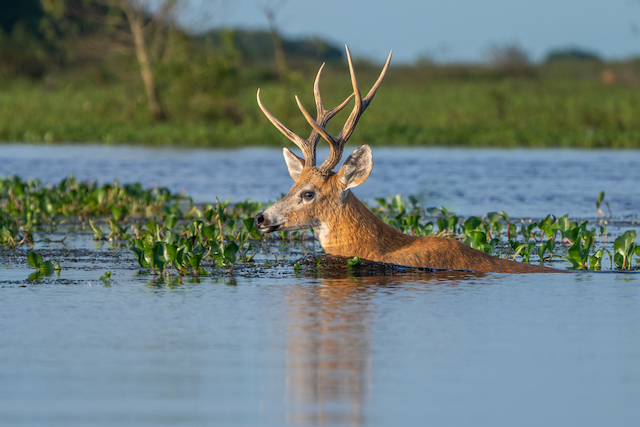
What to see: Capybaras, caimans, marsh deer, howler monkeys, maned wolf, plus over 300 bird species including the greater rhea, Maguari stork, jabiru, yellow cardinal, strange-tailed tyrant, and various herons. Rewilding efforts have also reintroduced jaguars, giant anteaters, and giant river otters.
When to go: The Iberá Wetlands can be visited year-round, though autumn (March–May) and spring (September–November) offer the best balance of comfortable temperatures and active wildlife. Autumn is especially rewarding, with migratory birds arriving, while spring brings vibrant landscapes, blooming flora, and increased animal activity. Winter (June–August) is cooler and ideal for wildlife spotting, while summer (December–March) can be extremely hot and humid.
2. Torres del Paine National Park
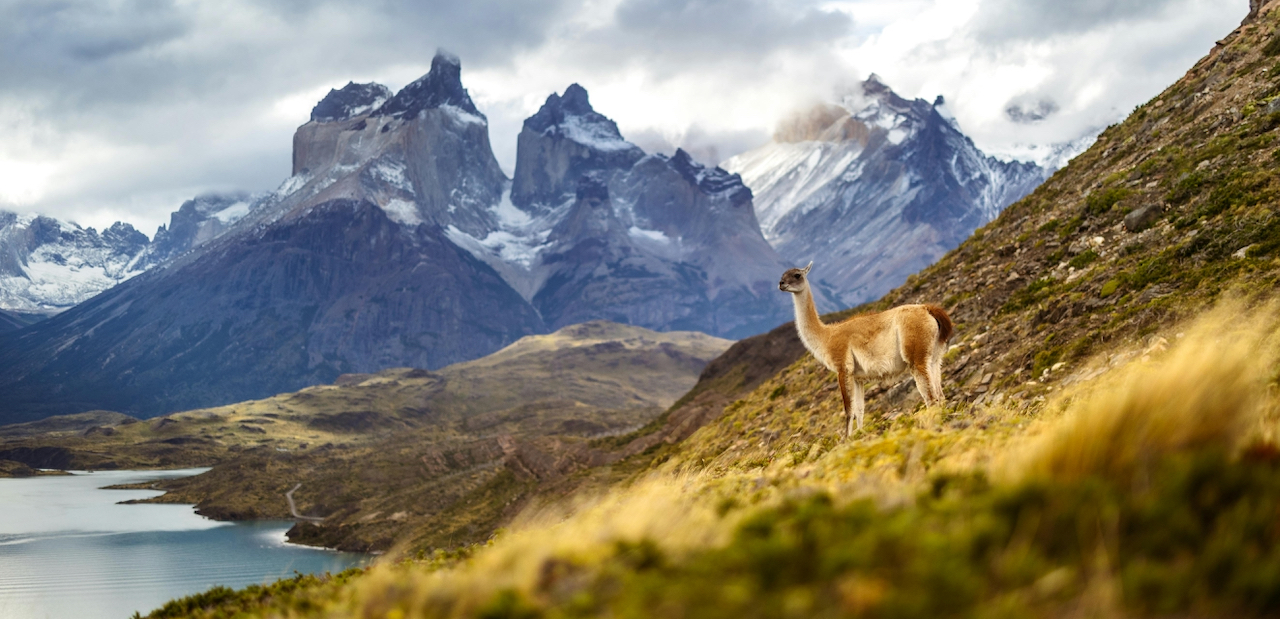
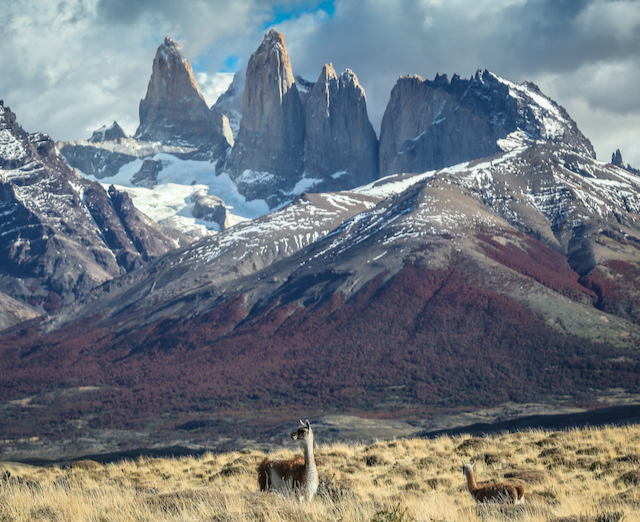
Torres del Paine’s iconic peaks and vast open plains create the backdrop for some of Patagonia’s most extraordinary wildlife encounters, within a striking natural environment where wildlife thrives among glaciers, mountains, and sweeping steppe landscapes.
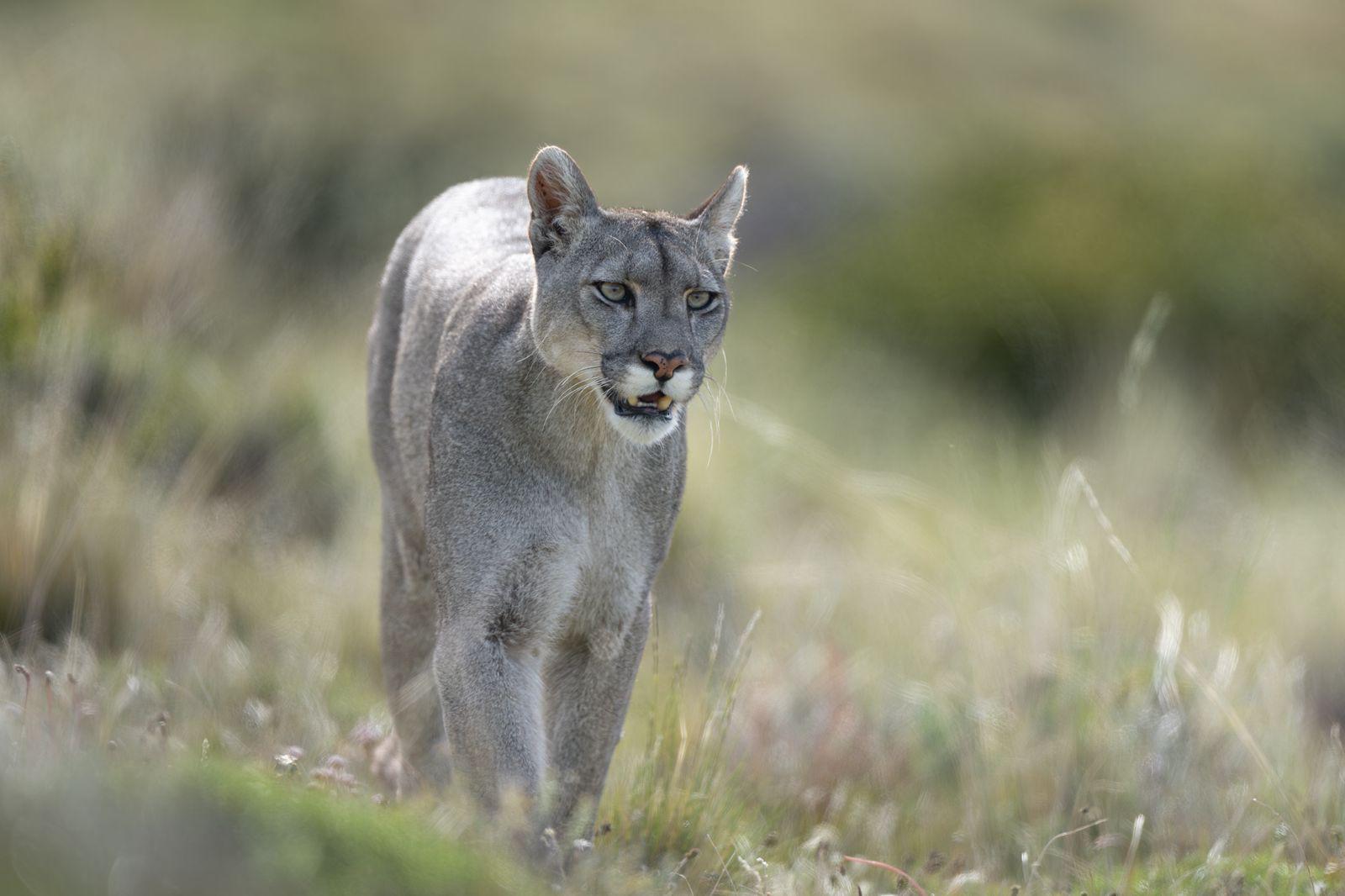
Notably, the park has one of the highest puma densities in the world, making it one of the best places anywhere to observe these big cats in the wild. Once heavily persecuted, puma populations have made a remarkable recovery thanks to decades of conservation work, research, and responsible wildlife tourism. We work with expert wildlife guides who understand the park and its wildlife deeply, giving guests the best opportunity to observe pumas respectfully in their natural environment while learning about their important role within the ecosystem.
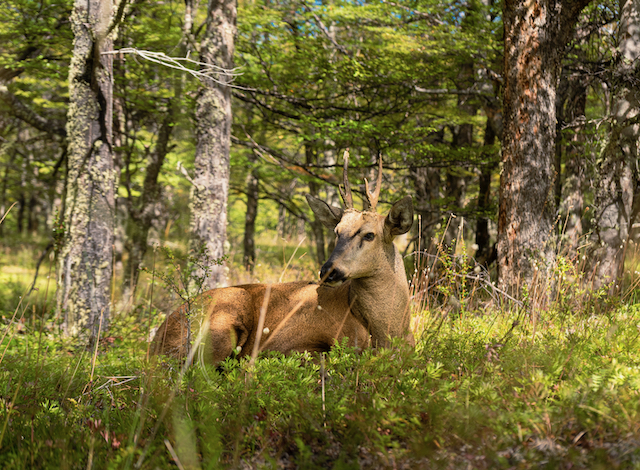
What to see: Guanacos in large numbers, Andean condors, and the elusive puma. Visitors can also see Chilean flamingos in the park’s lakes and lagoons, Magellanic Woodpecker, foxes, the endangered South Andean deer (huemul) and the Ñandú, a flightless bird similar to a small ostrich.
When to go: Spring (September–November) is one of the best times to visit Torres del Paine, with blooming flora and active wildlife during breeding season. During the peak summer season (December–February) the park can feel crowded, and increased visitor activity can make wildlife more timid. Autumn (March–April) is a favourite for wildlife viewing, with fewer tourists and beautiful autumn colours. Winter (May–August) offers dramatic snow-covered scenery, very few visitors, and excellent opportunities for puma sightings.
3. Valdes Peninsula & Patagonia Azul
The southern Atlantic coast of Argentina is known for its rugged beauty, where the Atlantic Ocean meets Patagonia’s wild landscapes.
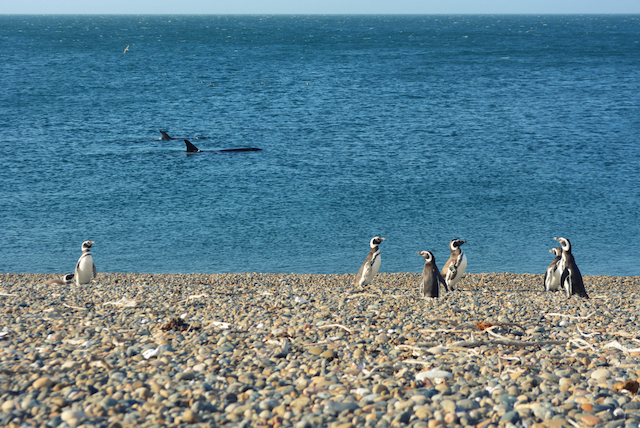
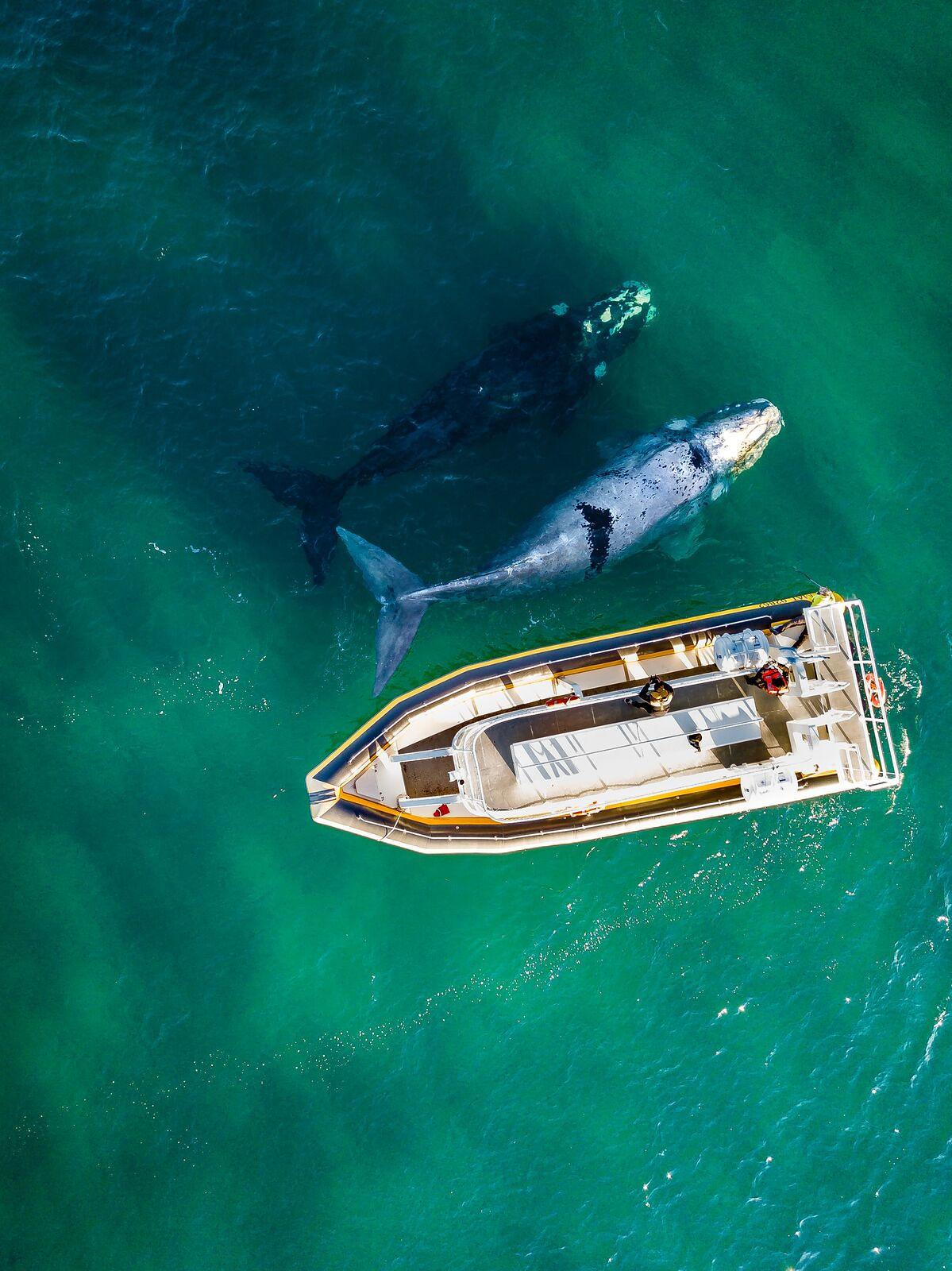
Península Valdés is a UNESCO World Heritage Site and one of the world’s most important marine wildlife reserves. This protected peninsula is home to an extraordinary concentration of marine life and offers some of the best whale-watching opportunities in South America, including the rare chance to witness orcas intentionally beaching themselves to hunt along the coastline. Further south, Bahía Bustamante is often referred to as “Argentina’s hidden Galápagos” for its rich marine biodiversity and untouched, remote coastal landscapes.
What to see: Southern right whales breaching close to shore, orcas hunting along the coastline, elephant seals, sea lions, Magellanic penguins and dolphins. On land, the Patagonian steppe is home to guanacos, Patagonian maras, foxes, and a wide variety of birdlife, with condors, terns, and skuas commonly seen across the peninsula.
When to go: Southern right whales migrate to these waters between June and December to give birth and raise their calves, often surfacing remarkably close to shore. From March to April, orcas can be seen intentionally beaching themselves along the coastline while hunting seals. Magellanic penguins are present from September to April, while sea lions and elephant seals can be seen year-round.
The best overall time to visit is between September and November, when the region has the highest concentration of wildlife.
4. Chiloé
Off the coast of Southern Chile, Chiloé is a land steeped in myth and legend. Life here is unhurried and traditional, where centuries of isolation from the mainland of Chile have created a unique culture and way of life, blending indigenous Mapuche, colonial Spanish, and Germanic influences.
Its rugged coastline, dense temperate forests, wetlands, and misty channels also make Chiloé one of the country’s most rewarding wildlife destinations. Surrounded by nutrient-rich waters, the archipelago is an important habitat for marine life and migratory birdlife, with exceptional wildlife viewing both on land and at sea.
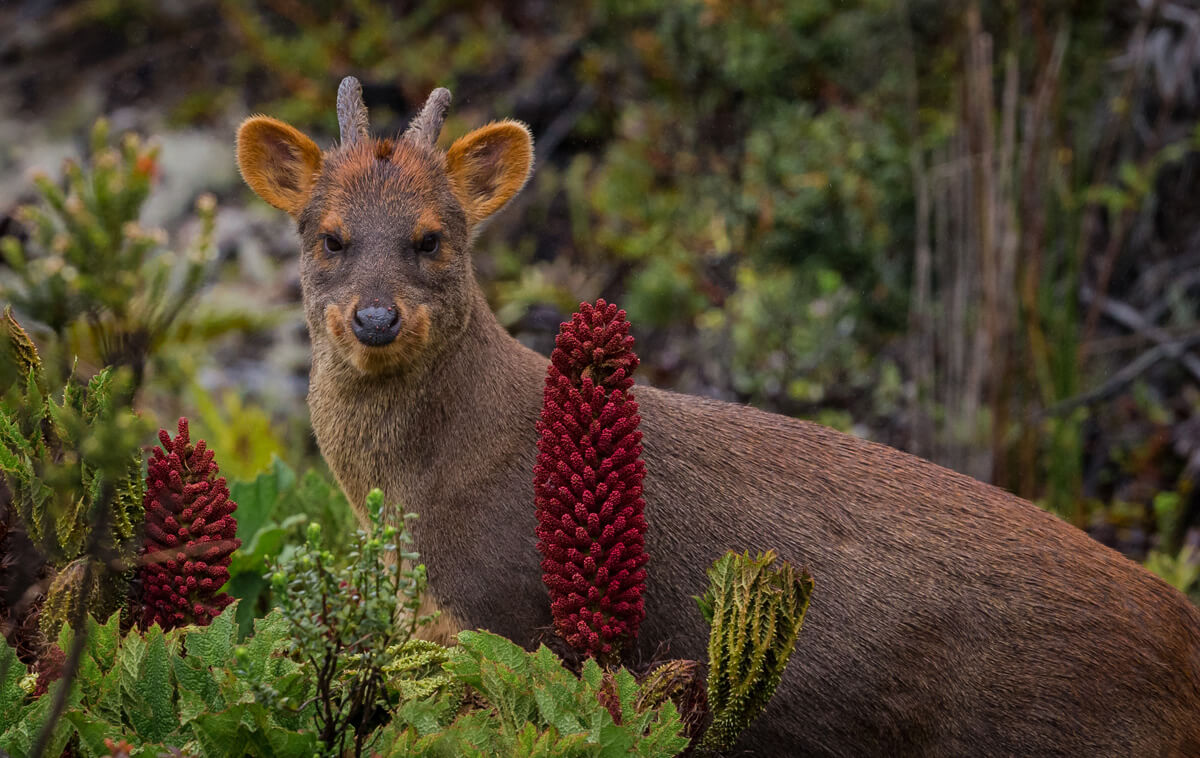
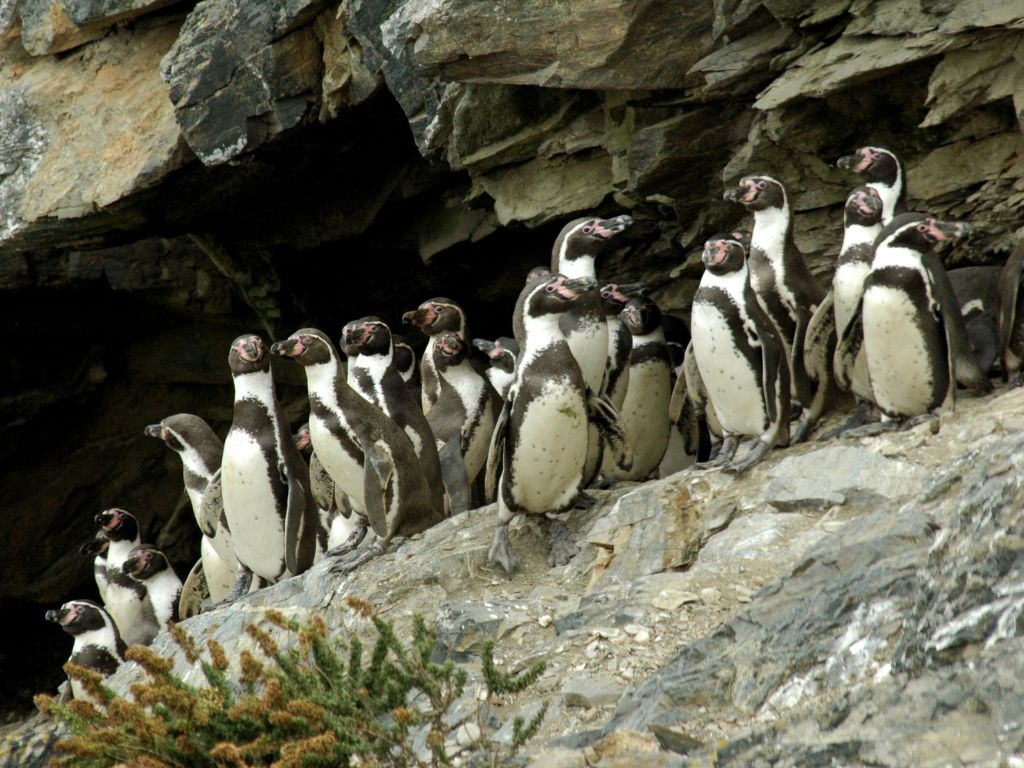
What to see: Blue whales, humpback whales and dolphins move through the surrounding channels. Penguin colonies and large numbers of migratory seabirds can be found along the coastline. Puñihuil is particularly notable as the only known breeding site where Humboldt and Magellanic penguins nest side by side. Sea lions are commonly seen along rocky shores, and the chungungo (marine otter) can be spotted in kelp-rich coastal waters. On land, Chiloé’s forests are home to some of Chile’s rarest and most elusive animals, including the pudú (the world’s smallest deer), the endangered Darwin’s fox, the tiny monito del monte, and the elusive güiña, one of the smallest wild cats in the Americas.
When to go: December to April offers the best conditions for wildlife viewing, with longer days, less rainfall, and peak whale-watching season. Spring (September to November) brings greener landscapes, active birdlife, and the beginning of penguin nesting season.
5. Antarctica
Antarctica offers some of the most extraordinary wildlife watching on Earth, where encounters unfold against a backdrop of glaciers, icebergs, and vast polar landscapes. Wildlife is concentrated along the coastline and surrounding Southern Ocean, with sightings often taking place from expedition ships, Zodiacs, and remote landing sites.
From whales surfacing through icy channels to vast penguin colonies, seals resting on ice floes, and seabirds moving overhead, Antarctica feels completely shaped by the natural world. What makes it so unique is the scale, isolation, and the sense that wildlife still exists here largely untouched by human presence.
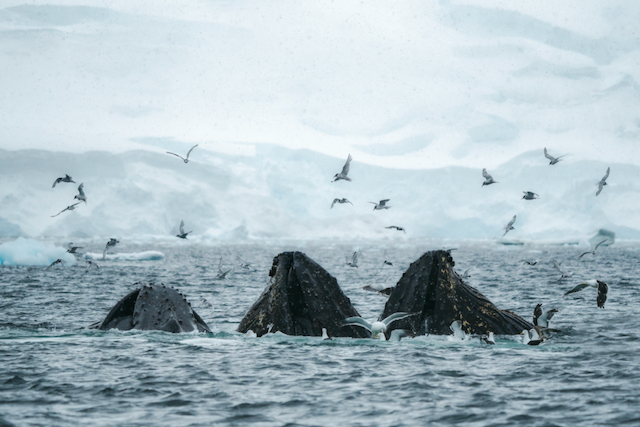
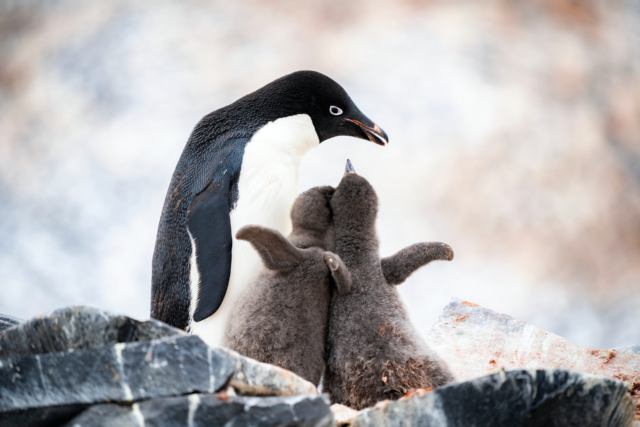
What to see: An impressive variety of whale species, including humpback, minke, fin, sei, sperm, and southern right whales, as well as orcas frequently seen moving through the icy channels. Penguin species include emperor, king, Adélie, chinstrap, gentoo, macaroni, rockhopper, and Magellanic penguins found across different parts of the Antarctic region and subantarctic islands. Seals are equally abundant, with crabeater, Weddell, and leopard seals commonly spotted resting on ice floes, alongside Antarctic fur seals and southern elephant seals along the coastline. Seabirds include albatrosses, blue-eyed shags, and petrels, to name a few.
When to go: The season runs from November to March, during the Antarctic summer when the sea ice melts, wildlife returns in droves, and the days are at their longest. November marks the start of the breeding season, with penguin colonies, seals, and seabirds becoming highly active. By December, penguin chicks begin hatching, and humpback whales arrive in Antarctic waters after migrating from the tropics. January and February bring peak wildlife activity, with large numbers of whales feeding. February is particularly strong for whale watching as humpback and minke whales gather in high concentrations. By March, whale activity remains excellent while penguin chicks are larger and more active. With fewer ships in the region, this period also offers a quieter atmosphere for wildlife viewing.
6. Patagonia National Park
Along the southern end of the Carretera Austral in Chile’s Aysén Region, this national park is one of the country’s most ambitious rewilding success stories. Once one of Chile’s largest livestock ranches, the land was restored by Tompkins Conservation and later donated to the state, transforming overgrazed grasslands into a thriving wildlife sanctuary.
Today, ongoing conservation programs continue to protect one of Patagonia’s richest ecosystems, and visitors can explore a dramatic landscape of mountains, valleys, and lakes to witness firsthand the restoration efforts in this magnificent yet virtually unexplored slice of Patagonia.
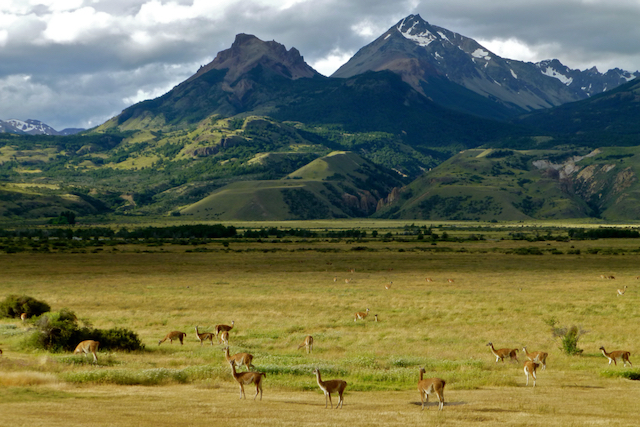
What to see: Large herds of guanacos roam the open steppe while condors glide above the valleys and cliffs. The park also shelters an important population of huemules, with around 10% of Chile’s remaining population found within its protected landscapes. Its diverse ecosystems support an impressive variety of wildlife, from southern viscachas, foxes, and armadillos to rich birdlife including flamingos, Chilean flickers (pitíos), woodpeckers, and long-tailed meadowlarks (loicas).
When to go: The best time to visit Patagonia National Park is between October and April, when temperatures are milder and wildlife is most active. Spring brings wildflowers, snow-capped peaks, and excellent wildlife viewing, while summer offers long daylight hours and ideal hiking conditions. Autumn is particularly beautiful, with golden lenga forests, crisp light, and fewer visitors. Winter can be spectacular but harsh, with snow and limited access along parts of the Carretera Austral.