March 17, 2026
In Conversation with Cristian Asun: Conservation, Coexistence & Ethical Puma Encounters
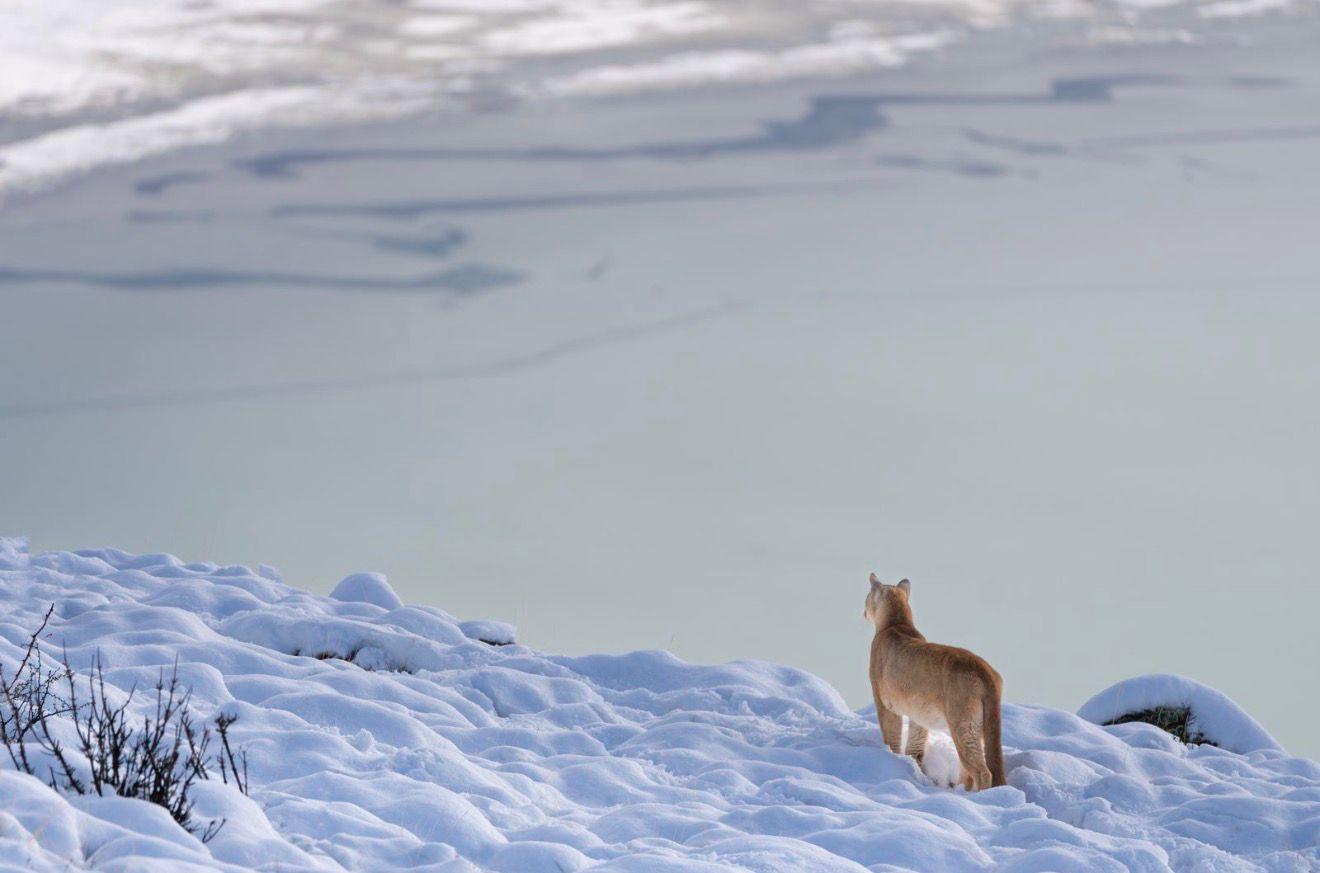
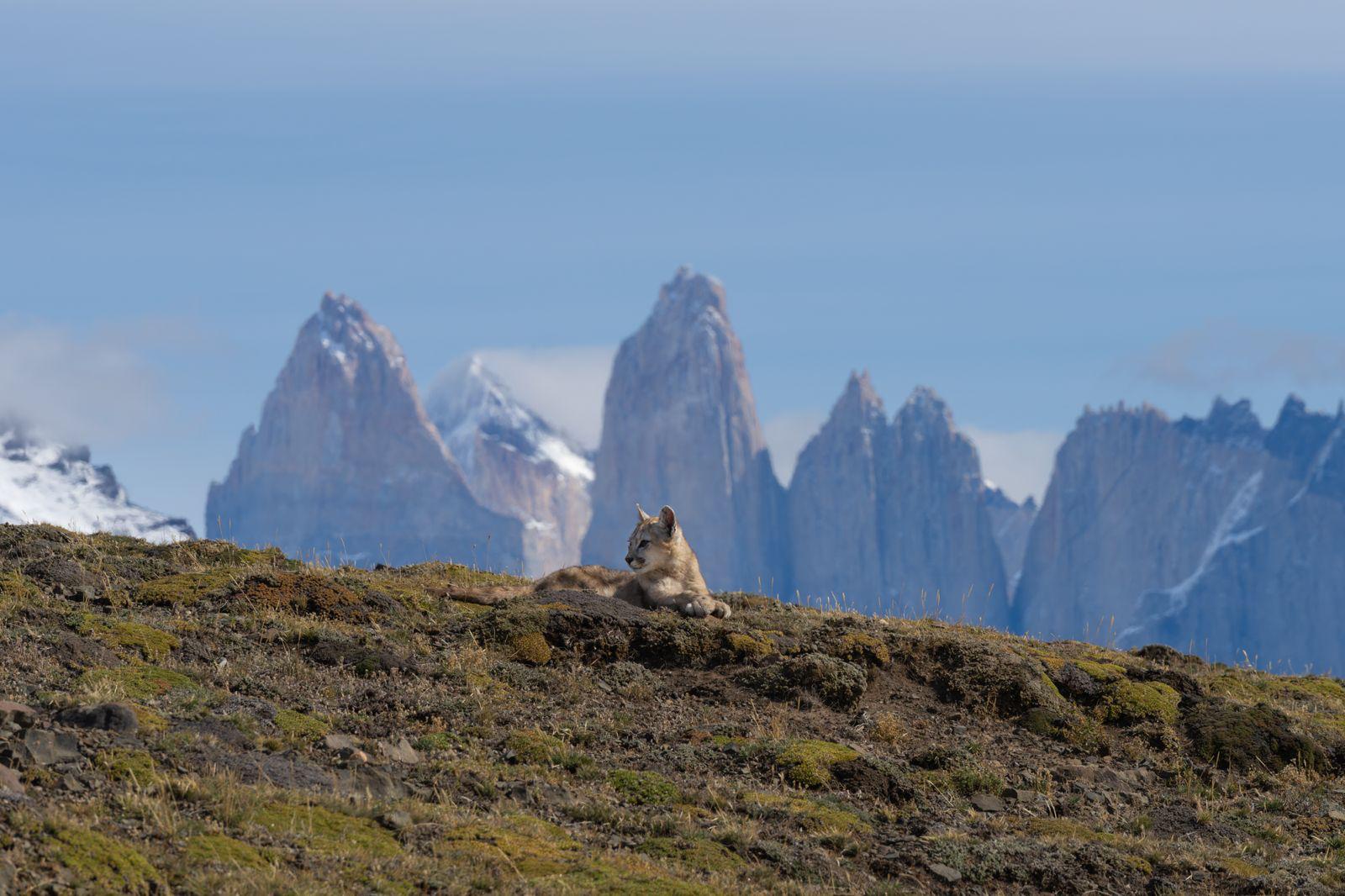
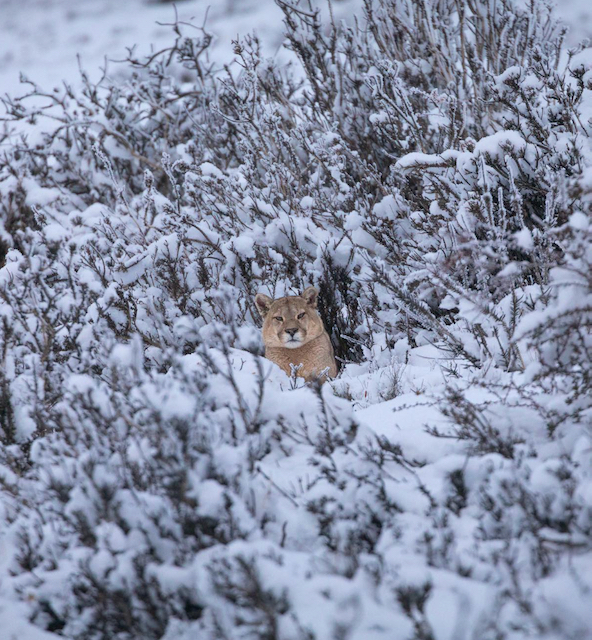
Torres del Paine National Park has one of the highest puma densities in the world. Once heavily persecuted, they’ve made a remarkable comeback in the park thanks to decades of conservation work and research.
While catching a glimpse of a puma is one of Patagonia’s most extraordinary wildlife experiences, it should always be with care and respect, ensuring the animals remain undisturbed and that every encounter is both ethical and educational.
That’s where the right guide makes all the difference.
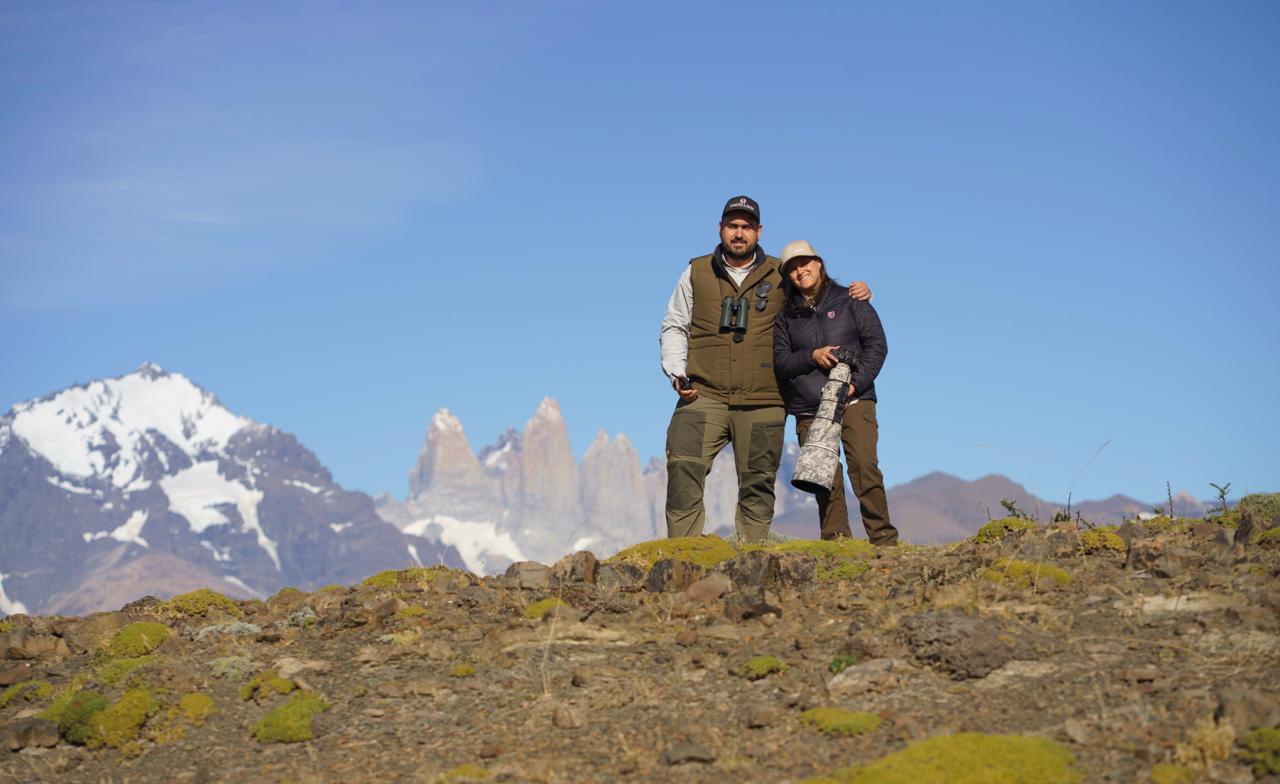
We proudly work with Cristian Asun, one of Patagonia’s most experienced puma specialists and an extraordinary photographer. He has spent years observing and capturing these elusive cats, developing a deep understanding of their behaviour, movements, and habitat, all while maintaining a strict commitment to ethical encounters. Born in Punta Arenas in Chile's Magallanes region, Cristian grew up surrounded by Patagonia’s vast landscapes and wildlife, forming a profound connection to the land that continues to inspire his work today.
We spoke with Cristian about life alongside Patagonia’s most iconic predator, the recovery of pumas in Torres del Paine, and how travellers can experience these remarkable animals responsibly.
1. Tell us a bit about yourself. You were born in Patagonia, did growing up here shape your connection to wildlife and the outdoors?
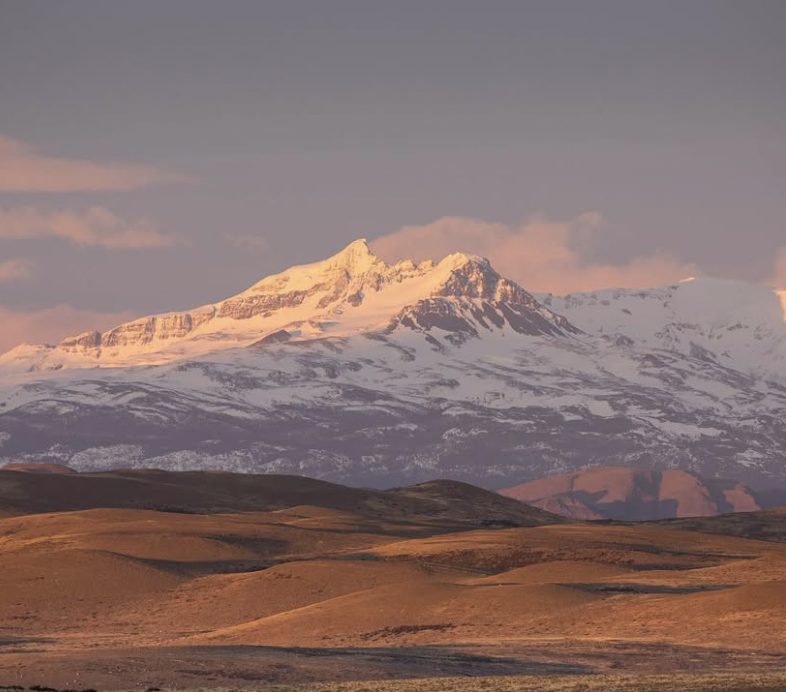
I was born and raised in Patagonia, where nature is simply part of who you are. Growing up surrounded by those wild, open landscapes shaped my connection to the outdoors from an early age.
My father took me camping and fishing since I was a child, while my grandmother introduced me to the world of birds. She was the one who first sparked my curiosity and taught me how to truly observe nature. As I grew older, that curiosity turned into exploration, spending days in the wild with friends, hiking long distances and discovering remote places.
In Patagonia, the outdoors is part of everyday life; it shapes how you live. For me, it became a lifelong passion and something I feel deeply driven to share with others.
2. How did you first get into working with pumas?
During my years working as a guide in Torres del Paine, coming across a puma was something that happened from time to time.
My first real experience working with pumas came during my time as Head of Excursions at Awasi Patagonia. In 2016–2017, we received a special request from a guest who came with one single goal: to see pumas. At the time, the neighbouring estancia near Laguna Amarga, one of the pioneers in wildlife conservation in Torres del Paine, offered that possibility. I reached out and designed a three-day program focused entirely on tracking pumas.
We worked long days in the field, from early morning until late evening, searching on foot, as there were very few vehicle tracks back then. It was intense and completely immersive.
That experience changed the way I understand and see pumas, and, in many ways, it changed something in me as well. From that moment on, I knew I wanted to spend as much time as possible out in the field, observing wildlife and learning from it.
3. At what point did photography become part of your work?
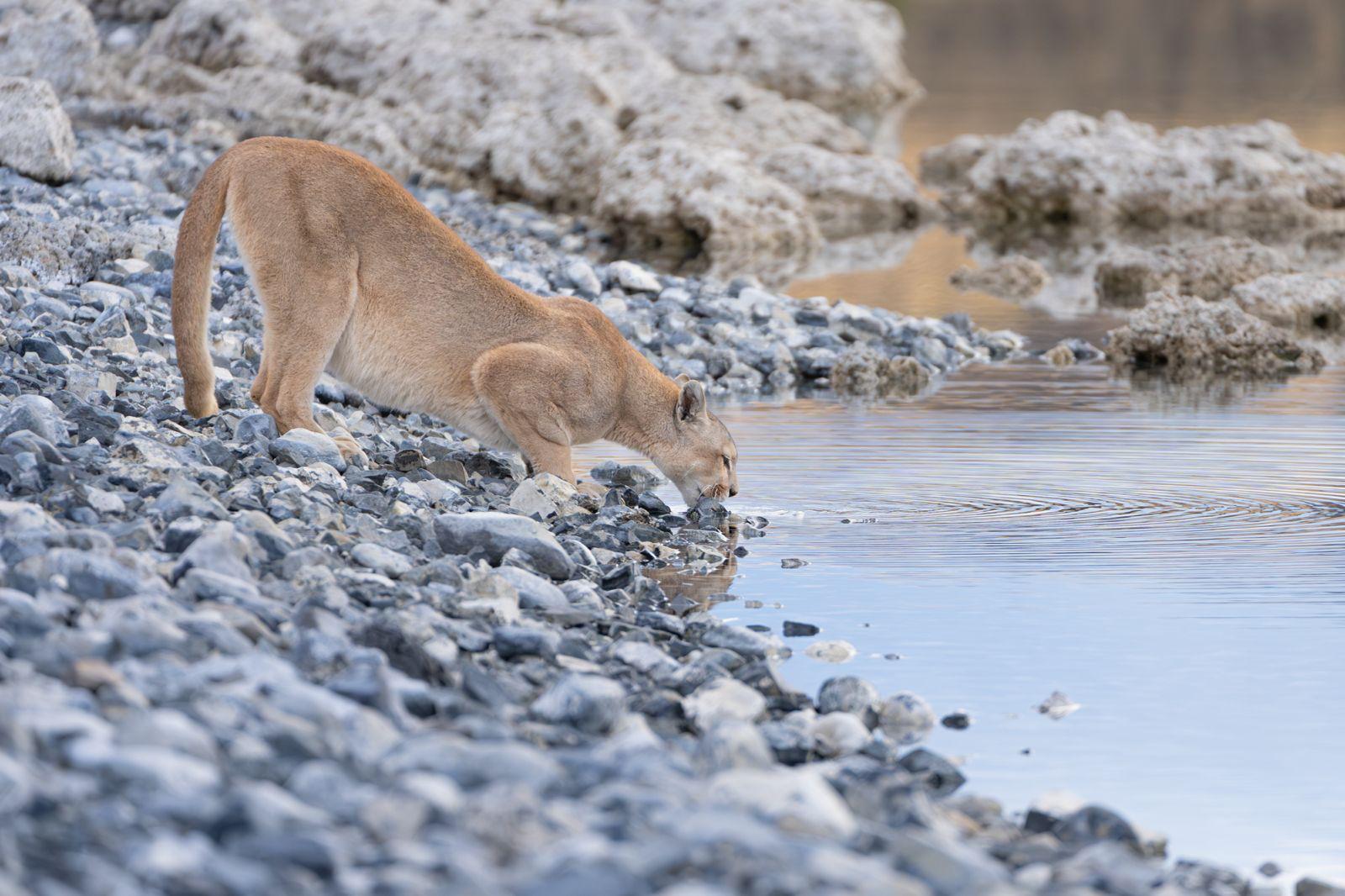
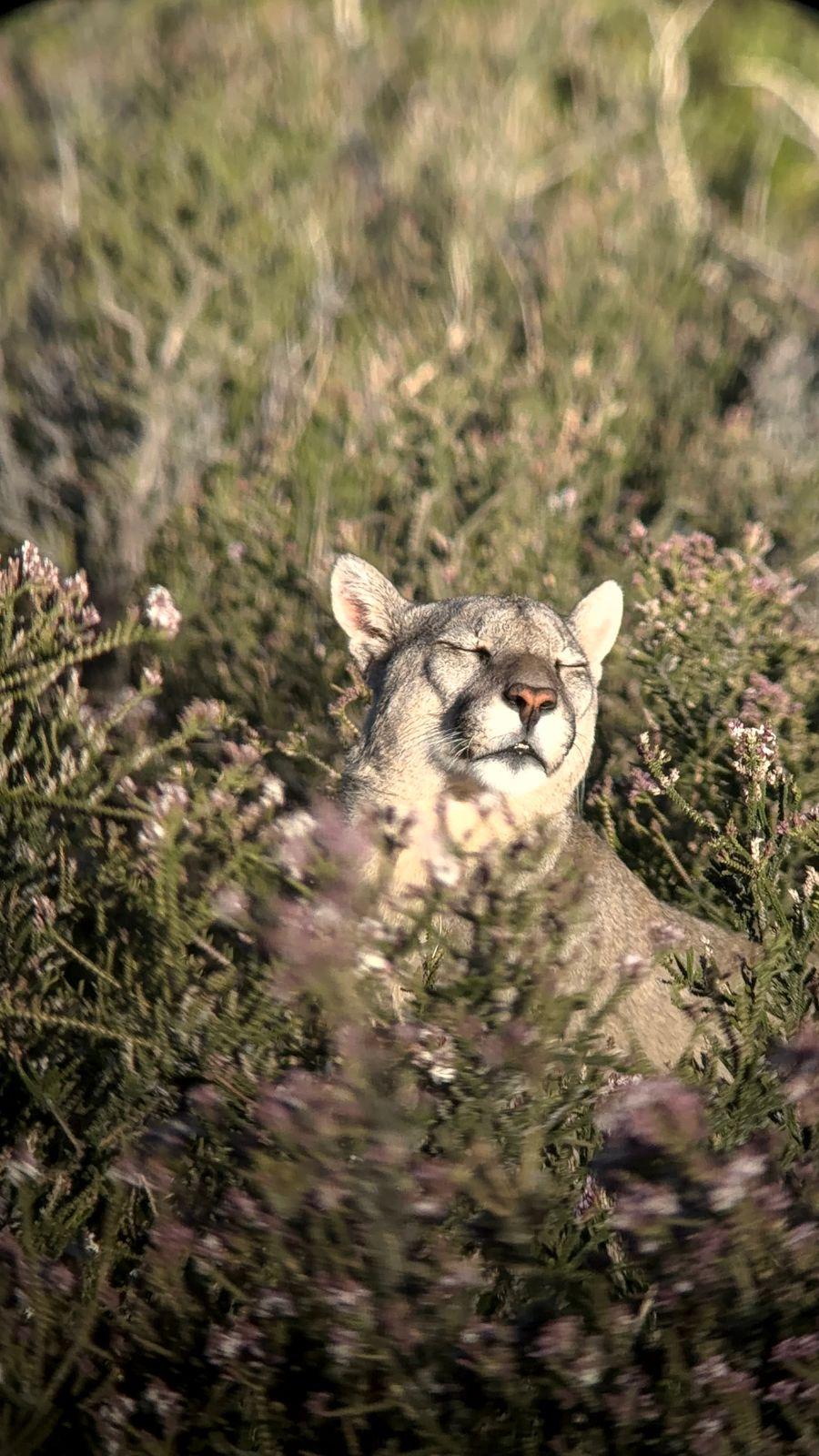
Photography became a natural extension of my work over time. Being constantly in the field, witnessing unique and fleeting moments with wildlife, I felt the need to capture and share those experiences.
At first, it wasn’t something planned; it grew organically through guiding. That pushed me to develop my skills and better understand how to work in the field with both wildlife and photography.
Eventually, photography became an essential part of what I do. It allows me to tell the story of these encounters, to share the beauty and behaviour of wildlife, and to help others connect with these moments in a deeper and more lasting way.
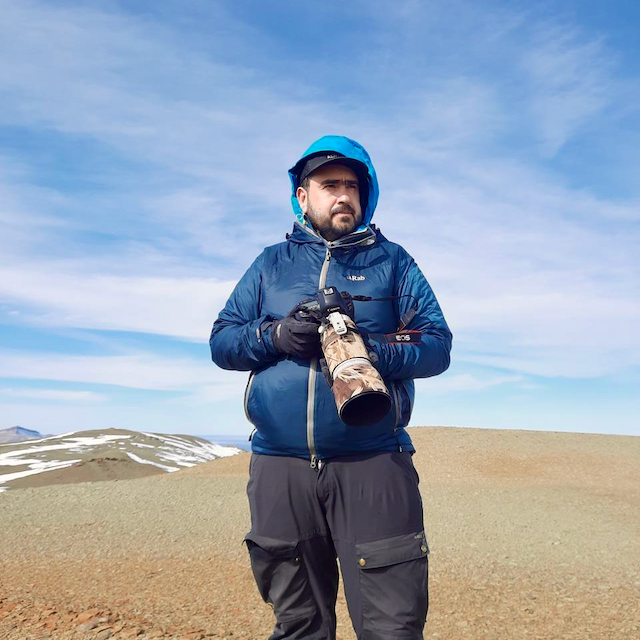
4. What makes the puma so special to you? Is there a moment that has stayed with you?
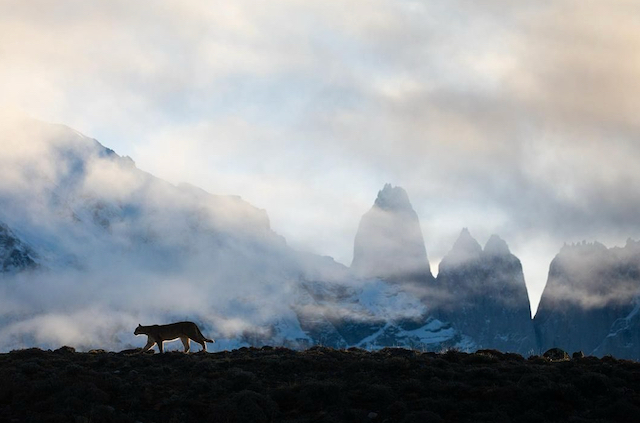
What makes the puma so special to me is not just its beauty or power, but the way it embodies the spirit of Patagonia: wild, elusive, and deeply connected to the land. There’s a presence and quiet intensity in a puma that is hard to describe until you experience it.
Many moments have stayed with me, and many individual pumas I’ve had the privilege to observe and learn from. One that stands out is the first time I witnessed a hunt. Her name is Sol. She’s not particularly large, but she’s an exceptional hunter.
That day, we followed her at a distance for a long time until we finally spotted the guanacos she had her eye on, more than 500 metres away. We moved carefully and kept a respectful distance, waiting. She stalked them for nearly 400 metres. Every time a guanaco lowered its head to feed, she would take a couple of silent steps forward. When it looked up, she froze completely. Step by step, with incredible patience, she closed the distance to around 20 metres before launching into a full sprint. She chose her moment, leapt onto one of them, and held on through the struggle until she succeeded.
It was extraordinary. Not just the hunt itself, but the skill, patience, and precision behind it, and because we were able to witness it without interfering, simply as observers in her world.
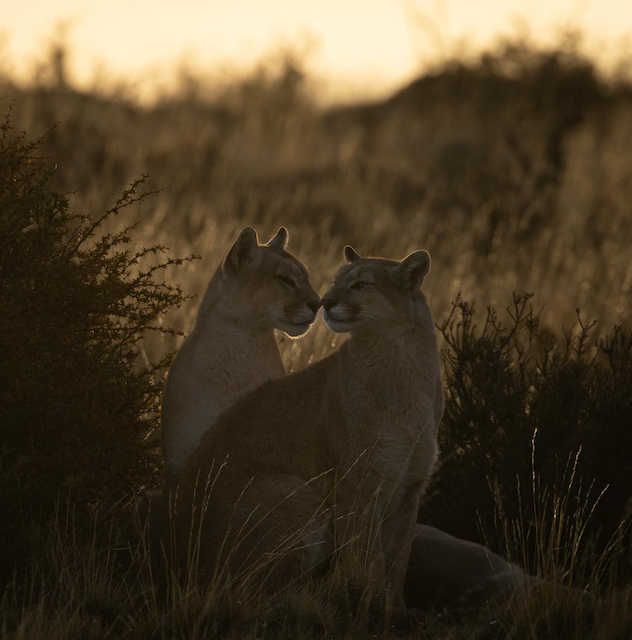
Other unforgettable moments come from watching cubs. When they are still small, and their mother begins to bring them out of the den, guiding them through the terrain, it’s truly special. I remember once watching two cubs walking along the edge of a lake with their mother. Suddenly, one of them decided to enter the water and swim, a behaviour that does happen in pumas, but is very rarely seen.
You can’t plan them or repeat moments like these; they remind you how lucky you are to be there at all.
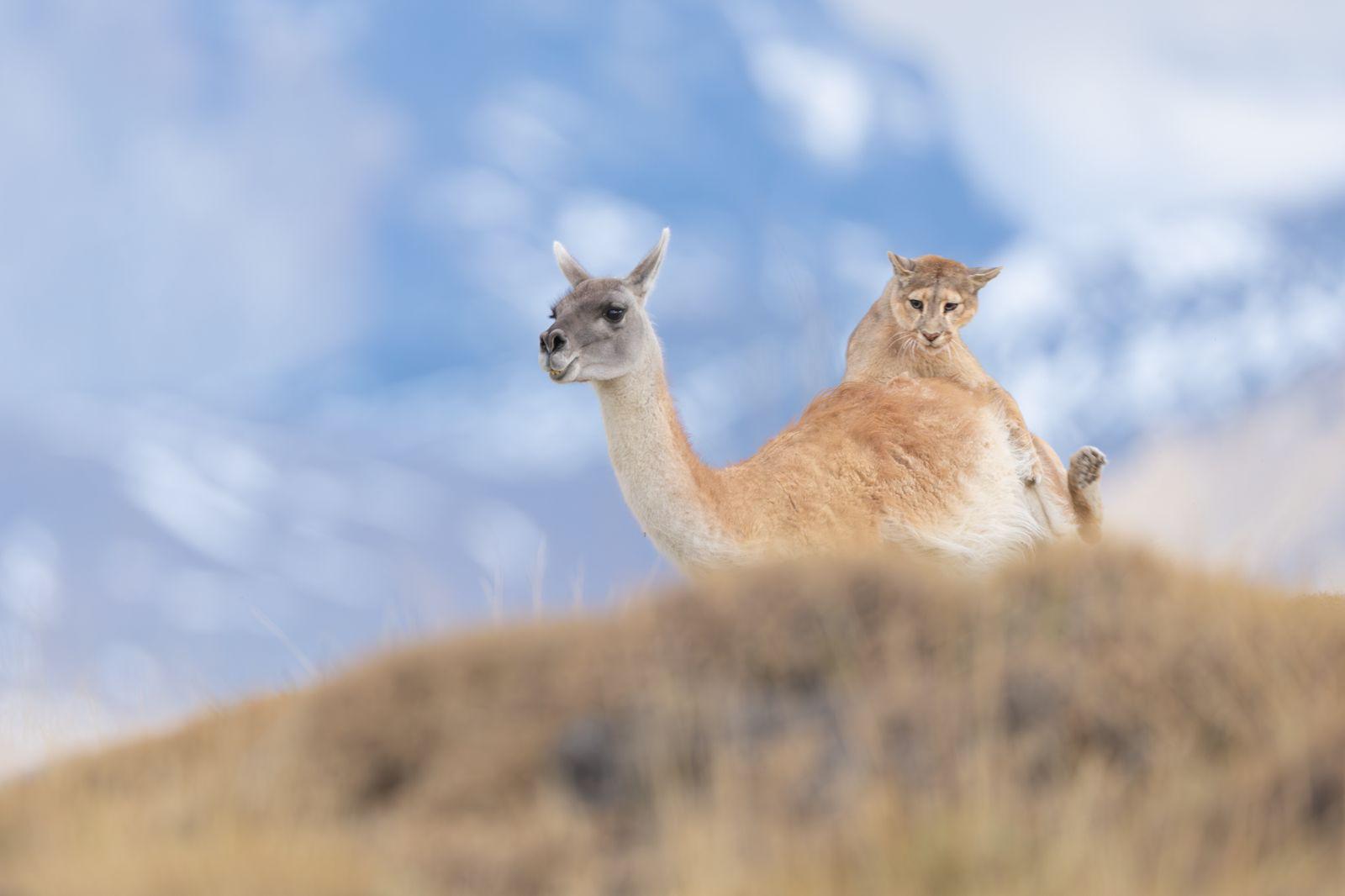
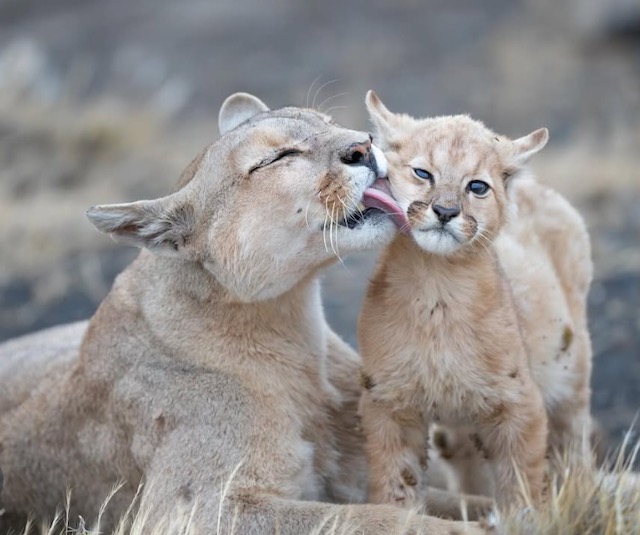
5. Why do pumas thrive in Torres del Paine and what role do they play in the ecosystem?
Pumas thrive in Torres del Paine because the conditions are ideal for them. There is a healthy and abundant population of guanacos (their main prey) along with vast, open landscapes that allow for visibility and movement, and a relatively protected environment where they can live with limited human pressure compared to other regions.
But beyond the conditions, what makes this place unique is the balance that exists. Torres del Paine offers a combination of space, prey availability, and conservation efforts that allow pumas not only to survive but to truly thrive.
As top predators, pumas are a keystone species that play a crucial role in the ecosystem. They help regulate guanaco populations, which in turn maintains the health of the vegetation and the overall balance of the environment. Their presence influences the behaviour of other species and creates a natural equilibrium that benefits the entire ecosystem.
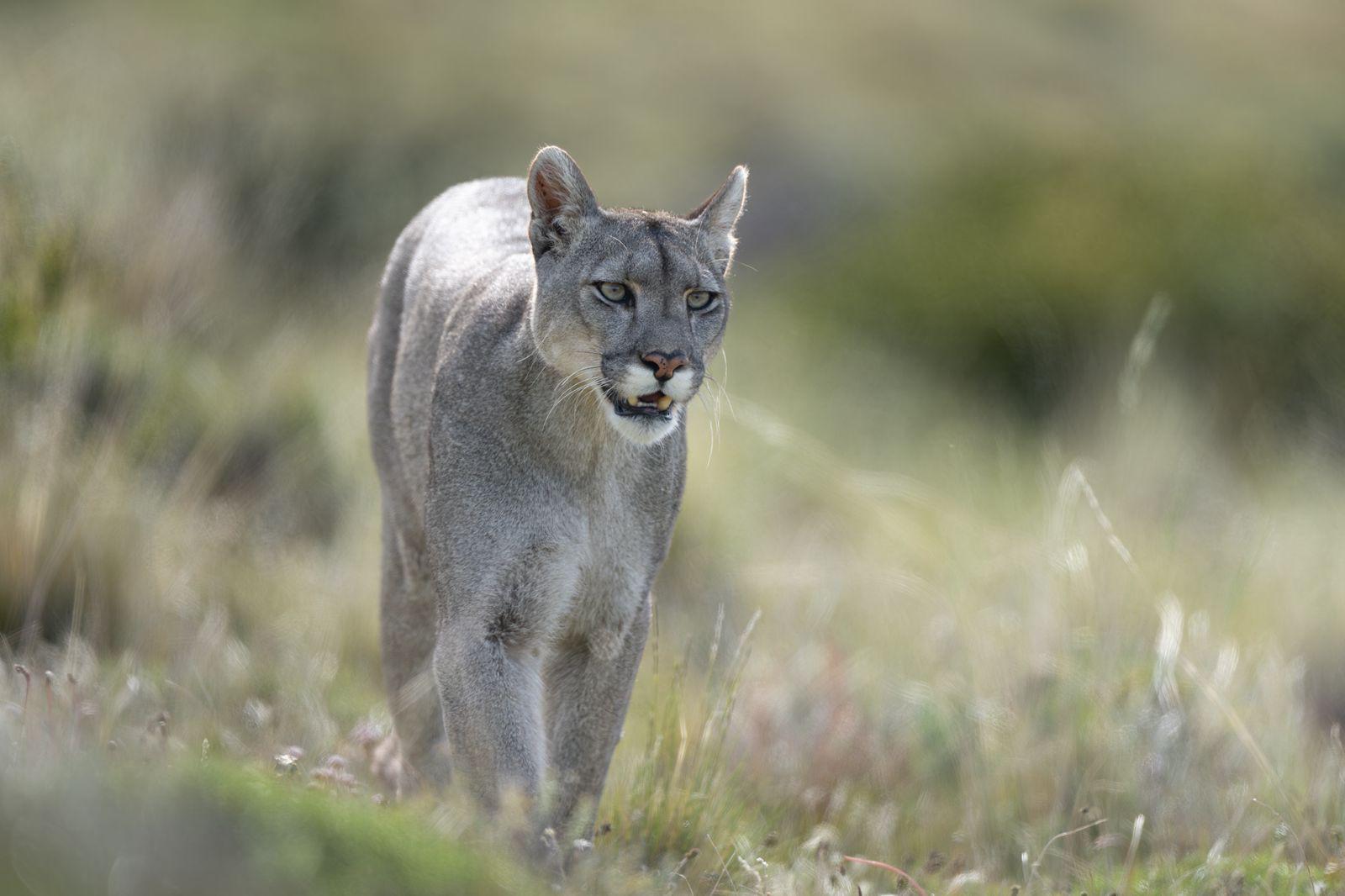
6. What challenges still exist when it comes to coexistence between pumas and local communities?
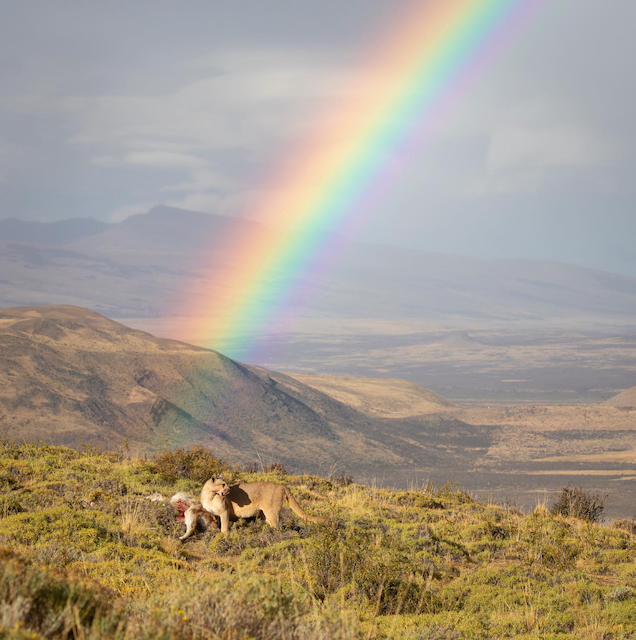
One of the main challenges is livestock predation. For many ranchers, losing animals can have a real economic impact, and that naturally creates tension and, at times, conflict with predators.
There is also a historical perception of the puma as a threat, which has been passed down over generations. Even though that view is slowly changing, it still influences how people relate to them in some areas.
At the same time, there have been important advances. Conservation initiatives, better management practices, and the growth of wildlife tourism have shown that pumas can also represent an opportunity for local communities.
I believe coexistence is possible, but it requires balance, understanding both the needs of local people and the ecological importance of the puma. It’s about creating solutions where both can persist, and where the presence of pumas is seen not only as a challenge, but also as a valuable part of the landscape.
7. There’s a lot of demand for wildlife encounters today. How do you balance traveller expectations with the needs of the animal to ensure encounters remain respectful?
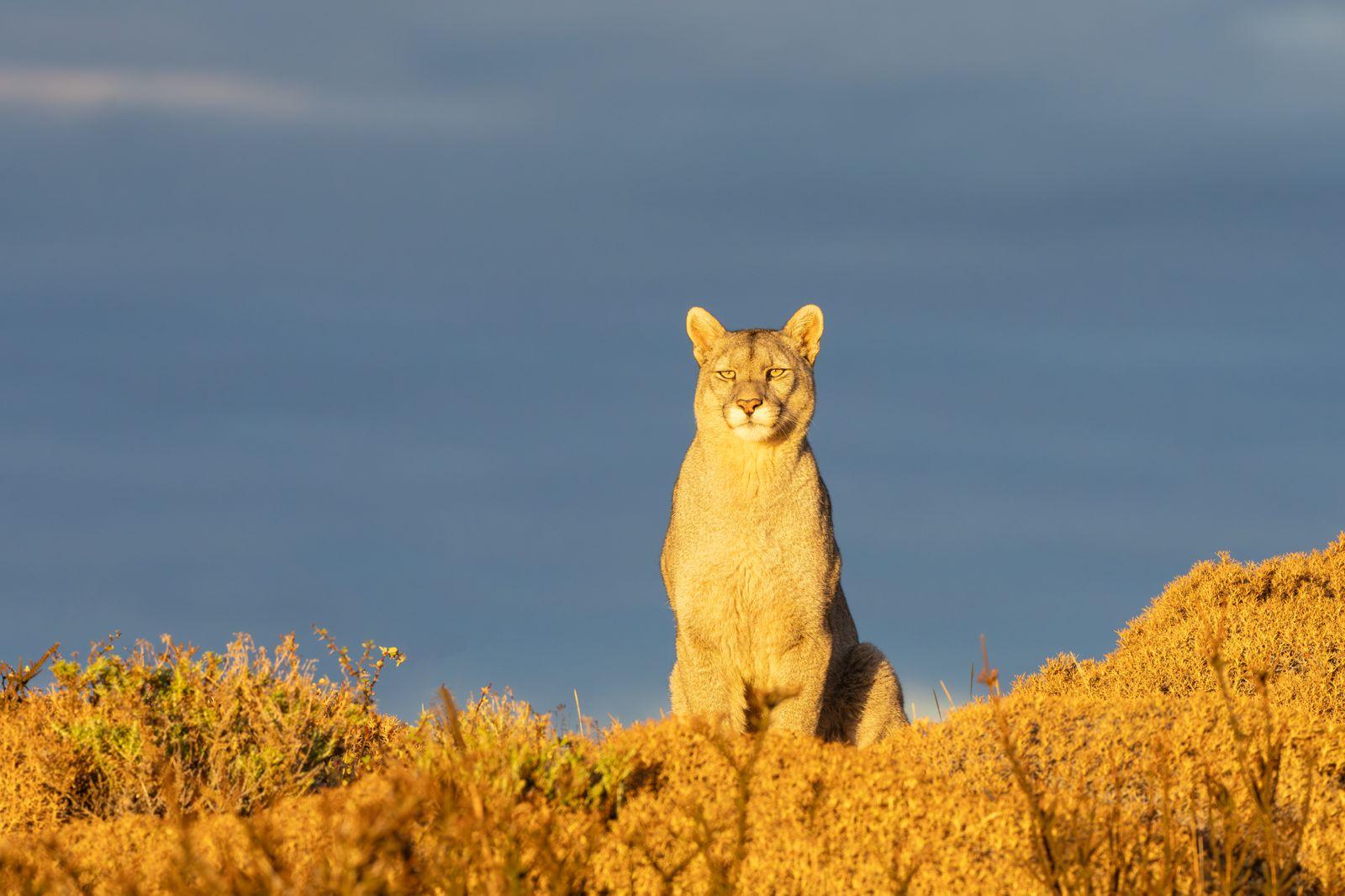
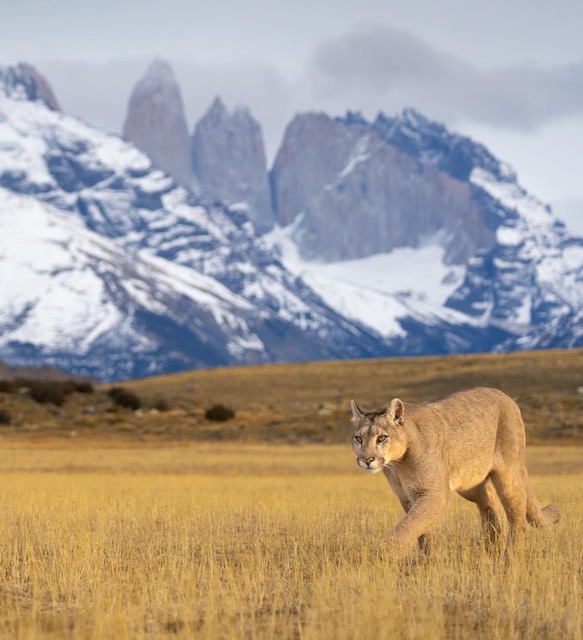
There is a growing demand for wildlife encounters, especially with species like pumas. For me, the key is setting the right expectations from the very beginning, helping visitors understand that these are wild animals, and that every encounter happens on their terms, not ours.
Respect always comes first. That means maintaining safe distances, reading the animal’s behaviour, and never interfering or pushing a situation for the sake of a better sighting or photo. Sometimes that also means choosing not to approach or even walking away.
At the same time, I try to shift the focus from simply “seeing” an animal to truly experiencing and understanding it: its behaviour, its environment, and its role in the ecosystem. When people connect with that, the experience becomes much more meaningful, even if the encounter is brief or from afar.
In the end, it’s about creating moments that are not only memorable for the traveller, but also responsible and sustainable for the wildlife.
8. What do you hope travellers take away from time in the field with you?
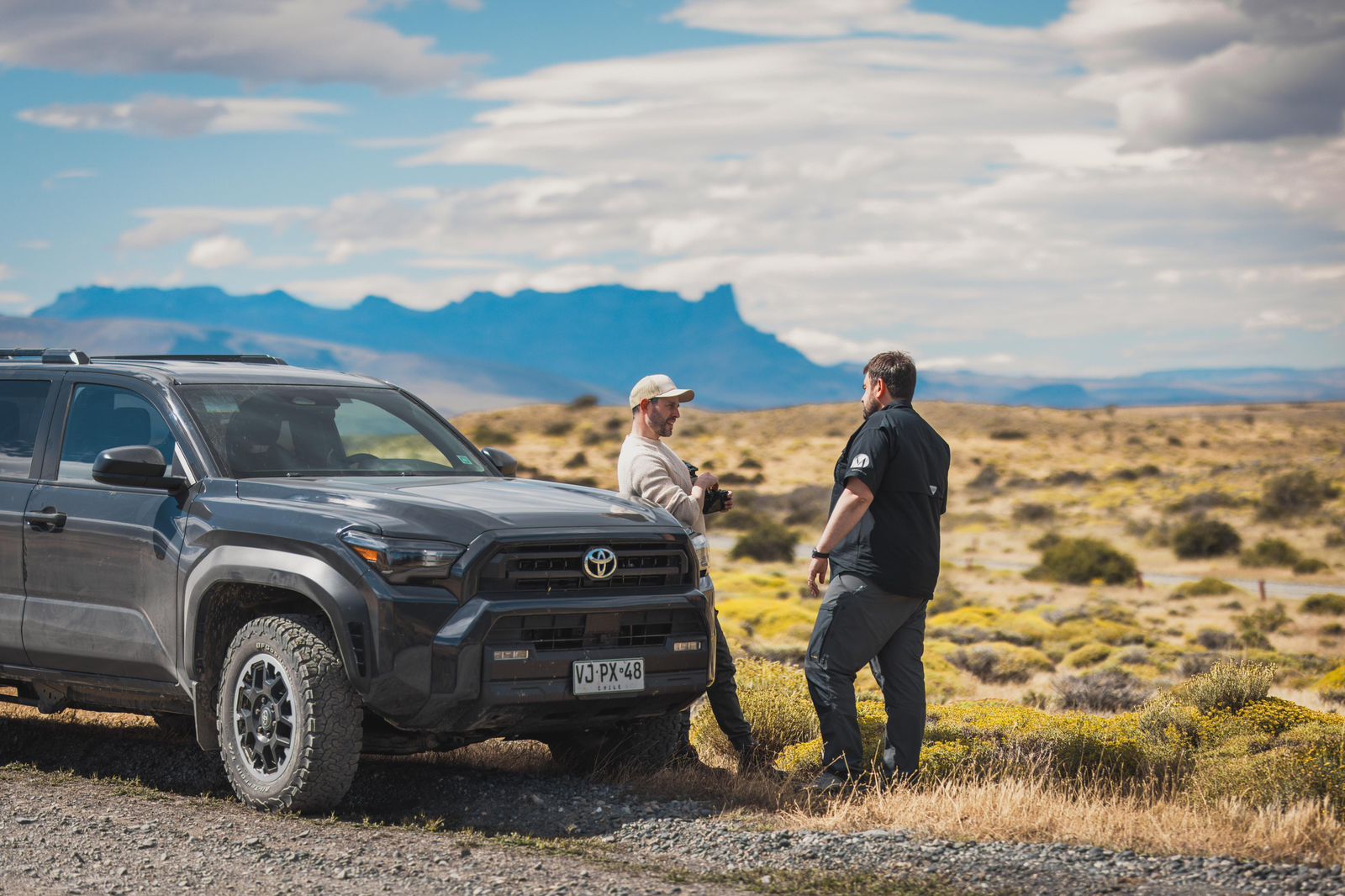
I hope travellers leave with a real emotional connection to what they’ve experienced. Out in the field, it’s not just about seeing wildlife; it’s about feeling something deeper and connecting with the nature of this place, understanding that you are part of something much bigger.
When you spend time in these landscapes, observing quietly and respectfully, something shifts. You begin to see nature differently, with more humility and awareness.
And hopefully, just like my first experience with pumas, something changes within them too. If they leave with that feeling, something that stays with them, then the experience has truly meant something.